
The decision of the appropriate digital camera in 2026 is not only about the brand anymore. Technology has changed fast and professionals are now demanding accuracy, speed, dynamic range and the ability to use reliable automatic focus. The consistency and creative control directly depend on the body of the camera whether you are a wedding photographer, commercial campaign expert, landscape or cinematic filmmaker.
Modern clients expect flawless detail, accurate color reproduction, and strong low-light capability. Therefore, investing in a professional digital camera requires careful evaluation of sensor size, resolution, build quality, and system compatibility. While entry-level models may perform well in casual scenarios, professional assignments demand higher standards.
In this guide, we explain what truly defines a professional camera in today’s market. From sensor performance and autofocus systems to hybrid video capability, you will gain clear insight into selecting equipment that supports long-term growth. By the end, you will confidently understand what to look for before investing in your next camera system.
What Defines a Professional Digital Camera?
A professional digital camera is defined by performance consistency, reliability, and image quality under demanding conditions. Unlike beginner models, professional systems are engineered to deliver precise autofocus, wider dynamic range, and superior sensor performance. These features ensure dependable results across various lighting environments.
Additionally, professional bodies emphasize durability. Weather sealing, magnesium alloy construction, and advanced processors allow photographers to shoot in unpredictable climates without compromising performance. High-resolution sensors further enable detailed commercial output and large-format prints.
Moreover, professional cameras integrate advanced autofocus systems with subject tracking and eye detection. This improves accuracy in fast-paced environments such as weddings and sports. Hybrid functionality also plays an important role, as many professionals now require both stills and high-quality video capability.
Ultimately, a professional camera is not just about megapixels. It is about consistent output, reliability, and system flexibility that supports serious creative work.
Full-Frame Sensor Performance in a Digital Camera
Full-frame sensors are widely regarded as the benchmark for professional image quality. In a high-end digital camera, a full-frame sensor captures more light due to its larger surface area. This results in improved dynamic range, reduced noise, and stronger low-light performance.
In addition, full-frame sensors deliver natural perspective and superior detail retention. This becomes especially important in commercial projects where clarity and tonal accuracy matter. Professionals often prefer full-frame systems because they provide greater flexibility in challenging lighting conditions while maintaining image integrity and color consistency across various shooting environments.
High Resolution & Commercial Detail Capture
Resolution plays a significant role in professional output. High-resolution sensors allow photographers to produce detailed images suitable for large billboards, advertising campaigns, and magazine spreads. A professional digital camera with strong megapixel performance ensures cropping flexibility without sacrificing quality.
Furthermore, commercial clients often require large-format prints. Therefore, higher resolution supports scalability while preserving sharpness and fine textures. However, resolution must be balanced with sensor quality and processing power. True professional performance comes from combining pixel count with dynamic range, color depth, and lens sharpness to achieve consistently refined results.
Dynamic Range & Color Accuracy
Dynamic range determines how well a digital camera captures detail in highlights and shadows. Professional bodies excel in preserving tonal depth, especially in high-contrast environments such as outdoor weddings or landscape shoots.
Color accuracy is equally essential. Skin tones, product colors, and brand visuals must appear consistent and natural. Advanced image processors and sensor design contribute to accurate color reproduction straight out of the camera.
For professional photography, reliable dynamic range reduces the need for excessive post-production correction. As a result, workflow becomes more efficient while maintaining high image standards.
Autofocus Precision for Professional Work
Autofocus precision directly impacts success rates during professional assignments. Modern digital camera systems use AI-driven tracking and eye detection to maintain sharp focus on moving subjects.
In wedding and event coverage, subjects rarely remain still. Therefore, advanced autofocus ensures accurate subject lock even in unpredictable lighting. Continuous tracking improves keeper rates and reduces missed moments.
Professional photographers depend on reliable focus performance because reshooting is rarely possible. Consequently, autofocus speed, responsiveness, and consistency become defining characteristics of a true professional system.
Quick Professional Digital Camera Feature Summary
| Feature Area | What Professionals Need |
| Sensor Performance | Full-frame quality with strong low-light results |
| Resolution Output | High detail for commercial and large print use |
| Dynamic Range | Clear highlight and shadow recovery in all lighting |
| Color Accuracy | Natural skin tones and consistent brand colors |
| Autofocus Precision | Fast AI tracking with eye and subject detection |
| Build Reliability | Weather-sealed, durable body for demanding shoots |
| Hybrid Capability | Strong photo + video performance for modern creators |
Why Sensor Size Matters in a Digital Camera
Sensor size directly influences image quality, low-light capability, and depth of field control. When selecting a professional digital camera, understanding sensor performance helps you align technical needs with creative goals. Larger sensors capture more light, which improves tonal depth and reduces noise in challenging conditions.
Additionally, sensor size affects background separation and subject isolation. While APS-C cameras offer portability and reach advantages, full-frame systems provide superior overall performance in demanding environments. Therefore, evaluating sensor size carefully ensures long-term satisfaction and consistent professional output.
Full Frame vs APS-C Performance
Full-frame sensors deliver broader dynamic range and stronger low-light performance. They capture more tonal detail and maintain clarity at higher ISO levels. For commercial and studio assignments, this consistency becomes essential.
APS-C sensors, however, offer compact size and increased effective reach due to crop factor. This can benefit wildlife and sports photographers. However, in professional photography, full-frame cameras typically produce more refined color depth and smoother gradation.
Ultimately, the choice depends on shooting style. For large-scale commercial work and detailed portraiture, full-frame performance generally provides greater creative flexibility and image reliability.
Low Light Capabilities
Low-light performance separates professional systems from entry-level models. A high-quality digital camera with a larger sensor maintains detail even at elevated ISO settings. This allows photographers to shoot confidently during indoor events or evening sessions.
Advanced noise reduction and improved sensor architecture further enhance clarity in dim conditions. Likewise, wider dynamic range ensures highlight preservation when shooting under mixed lighting.
Professionals working in unpredictable environments benefit significantly from strong low-light capability. It not only improves image quality but also increases shooting flexibility when natural light becomes limited.
Depth of Field & Subject Isolation
Sensor size influences depth of field and background separation. Full-frame systems allow shallower depth at wider apertures, producing smoother background blur. This effect enhances subject isolation in portraits and commercial shoots.
In professional photography, controlling depth of field shapes visual storytelling. A larger sensor allows greater creative flexibility, especially when paired with high-quality lenses. While APS-C systems can also achieve subject separation, full-frame cameras generally produce more dramatic background blur. Therefore, professionals seeking refined aesthetic control often prioritize larger sensor systems.
Key Features to Look for in a Digital Camera for Professional Photography
When selecting a professional digital camera, features must align with workflow demands. Megapixels, autofocus reliability, durability, and system compatibility all contribute to long-term value. Choosing the right digital camera for professional photography means balancing technical strength with real-world usability under demanding conditions.
Rather than focusing solely on specifications, professionals should consider how each feature impacts daily performance. Balanced performance across resolution, processing speed, and lens ecosystem ultimately determines whether a camera meets professional standards.
Megapixels & Large Print Requirements
Megapixels determine image detail and print scalability. Commercial photographers often require high-resolution files for large banners or magazine covers. A professional digital camera with 24MP or higher generally meets most industry standards.
However, resolution alone does not guarantee quality. Sensor design, lens sharpness, and dynamic range must support high pixel density. For professionals producing advertising or architectural work, additional resolution offers flexibility in cropping while maintaining clarity. Balancing megapixel count with sensor performance ensures optimal output without unnecessary file size burden.
Autofocus & Subject Tracking Systems
Modern autofocus systems incorporate AI-driven subject recognition and eye detection. These features allow photographers to track subjects in real time, improving accuracy.
In fast-paced environments, responsive autofocus prevents missed shots. A professional digital camera must maintain focus precision under movement and changing light.
Reliable tracking improves efficiency and reduces post-production corrections. For event, sports, and wildlife photographers, advanced autofocus systems are no longer optional. They are essential tools for delivering consistent professional results.
Build Quality & Reliability
Professional cameras must withstand heavy use. Weather sealing protects against dust and moisture, while reinforced frames enhance durability.
Assignments often involve travel and unpredictable climates. Therefore, a rugged digital camera ensures consistent performance under pressure.
Reliability extends beyond physical strength. Professional systems must maintain consistent shutter performance and battery life during long sessions. Investing in durable construction reduces maintenance risks and protects long-term equipment value.
Hybrid Photo & Video Capability
Modern professionals frequently require both still images and cinematic video. Hybrid systems support high-resolution video formats alongside high-quality still capture. A professional digital camera with strong video capability simplifies workflow for content creators and commercial teams.
For example, features like 6K recording provide additional cropping flexibility during editing. Hybrid capability allows photographers to expand service offerings, increasing commercial potential and creative versatility.
Lens Mount & System Compatibility
The lens ecosystem plays a crucial role in long-term investment. A professional digital camera must integrate seamlessly with a wide range of high-performance lenses.Mount compatibility ensures future expandability and system flexibility. Additionally, professionals often require specialized tools such as telephoto optics or macro lenses.
Using a quality digital camera filter also enhances protection and image refinement. System compatibility ultimately determines whether your camera setup can evolve alongside your professional growth.
Mirrorless Digital Camera vs DSLR Camera
The debate between mirrorless and DSLR systems continues in 2026. However, mirrorless technology now dominates professional markets. Mirrorless systems offer advanced autofocus tracking, electronic viewfinders, and silent shooting capabilities. Meanwhile, DSLRs remain known for optical viewfinders and battery longevity.
For many professionals, mirrorless systems provide faster performance and improved workflow efficiency. Continuous innovation in sensor and processor technology has strengthened their reliability. Although DSLR systems remain capable, the future of the professional digital camera market clearly favors mirrorless design due to performance advantages and expanding lens ecosystems.
Size, Portability & Workflow
Mirrorless cameras are generally lighter and more compact. This improves mobility during long assignments such as weddings or travel shoots. Reduced weight decreases fatigue and enhances shooting comfort. Additionally, compact systems simplify transport and setup time.
Workflow efficiency improves when equipment remains manageable. For professionals handling extended sessions, portability directly impacts performance consistency and creative stamina.
Electronic Viewfinder Advantages
Electronic viewfinders display real-time exposure previews. This allows photographers to adjust settings before pressing the shutter. Unlike optical systems, electronic previews show white balance and exposure compensation instantly. This reduces guesswork and improves efficiency.
For professional work, real-time feedback enhances accuracy and minimizes reshoots. As a result, electronic viewfinders have become a key advantage in modern mirrorless systems.
Silent Shooting & Event Photography
Silent shutter modes benefit event photographers working in sensitive environments. Weddings, conferences, and ceremonies require discretion.
A mirrorless digital camera with silent shooting ensures minimal disruption. This enhances professionalism and client comfort. Additionally, silent modes reduce vibration, improving image sharpness. For professionals covering live performances or religious events, silent functionality significantly improves workflow and overall client experience.
Why Many Professionals Prefer Mirrorless Digital Cameras
Mirrorless systems combine speed, portability, and advanced autofocus. Continuous firmware updates further improve performance. Professionals appreciate real-time exposure preview, improved tracking, and compact builds. These features streamline workflow and enhance shooting efficiency. As technology advances, mirrorless systems continue to outperform traditional designs. Therefore, many photographers now consider them the best digital camera option for long-term professional use.
Professional Digital Camera Options from SIGMA
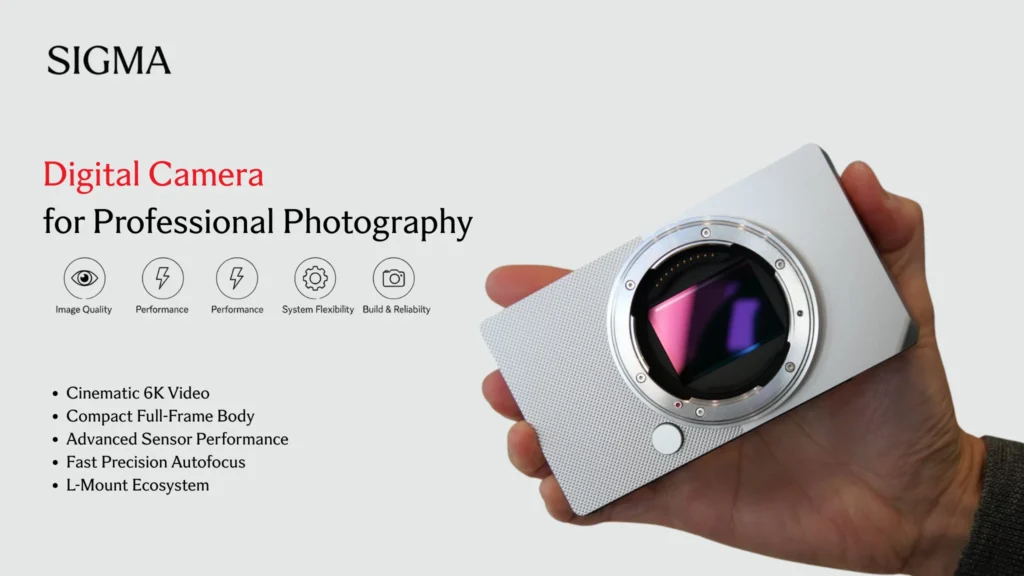
SIGMA continues to innovate within the mirrorless market. The SIGMA BF Camera introduces advanced imaging performance with 6K video capability in a compact mirrorless design. Engineered for creators who demand both still precision and cinematic flexibility, this digital camera supports hybrid production workflows. Its streamlined interface emphasizes usability while maintaining professional-grade performance.
For photographers seeking system flexibility and lens compatibility, SIGMA’s ecosystem offers strong integration with L-Mount systems. Professionals evaluating the best camera in Pakistan for hybrid shooting should consider compact performance combined with high-resolution capability. The SIGMA BF Camera represents a forward-looking option for creators seeking portability and video strength in one body.
Features of SIGMA BF Camera
- Delivers stunning 6K video recording, giving creators cinematic flexibility with professional-level clarity and smooth editing control.
- Features a compact full-frame mirrorless body design, making it highly portable for travel, events, and everyday hybrid shooting.
- Provides advanced sensor performance with impressive dynamic range, ensuring sharp detail and accurate color in difficult lighting.
- Supports fast autofocus and subject tracking, helping photographers capture weddings, sports, and moving scenes with precision.
- Integrates seamlessly with the L-Mount lens ecosystem, featuring a unibody design for durability and long-term expansion.
Choosing the Right Digital Camera Setup for Your Profession
Selecting a professional digital camera depends on your specialization. Wedding photographers prioritize autofocus speed and low-light performance. Studio professionals require high resolution and color accuracy. Landscape artists seek dynamic range and detail retention.
Hybrid creators demand both still and video excellence. Therefore, identifying your primary field ensures a more informed decision.Rather than chasing specifications alone, align camera performance with real-world workflow needs. A balanced system supports long-term professional growth and consistent results.
Wedding & Event Photography
Weddings require fast autofocus, strong low-light performance, and silent shooting. A responsive digital camera ensures accurate subject tracking in unpredictable lighting. Reliable battery life and dual card slots further enhance professional security. Event photographers must deliver consistent output under time pressure. Therefore, investing in performance-driven systems increases reliability and client confidence.
Studio & Commercial Photography
Studio professionals require high resolution and color accuracy. Controlled lighting allows detailed capture, making sensor quality essential. A professional digital camera with strong dynamic range supports commercial retouching workflows.
For advertising and product campaigns, clarity and tonal consistency remain critical. Studio photographers prioritize resolution and reliable tethering compatibility for efficient workflow.
Landscape & High-Resolution Projects
Landscape photography demands wide dynamic range and high-resolution detail. A professional digital camera captures subtle tonal transitions in skies and shadows. Weather sealing further protects equipment during outdoor sessions. High-resolution sensors allow large-format prints with fine detail preservation. For professionals producing gallery prints or architectural documentation, resolution and dynamic range become essential priorities.
Hybrid Photo & Cinematic Production
Hybrid creators require advanced video capability alongside still performance. Cameras supporting high-resolution video formats increase versatility. A professional digital camera with 6K or advanced video options supports modern content demands.
This flexibility allows creators to expand services into commercial filmmaking and digital campaigns, improving business potential and creative scope.
Investing in the Right Digital Camera in Pakistan
When evaluating digital cameras in Pakistan, buyers should consider long-term system value rather than short-term pricing. Market options vary widely in features and durability. Comparing digital camera price in Pakistan requires balancing performance, warranty coverage, and ecosystem compatibility. Lower prices may appear attractive initially, yet professional reliability often depends on build quality and service support.
For serious professionals, investing in dependable systems ensures consistent output and lower maintenance risk. Before purchasing, verify authenticity, warranty status, and distributor credibility. Choosing wisely protects both financial investment and creative workflow.
Why Buying from an Authorized Distributor Matters
Purchasing through authorized distributors guarantees authenticity and full warranty coverage. Professional equipment represents a long-term investment. Therefore, sourcing through official channels significantly reduces risk and ensures reliable performance over time.
Certified distributors offer authentic gears, organized after-sale services, firmware assistance, and clear pricing. This safeguards customers against counterfeit inventory, grey imports or supported global units that might not provide service locally. As a professional spending money on a high-end digital camera, reliable technical assistance is as significant as the quality of images.
In Pakistan, Hope Enterprises is the exclusive official distributor of SIGMA products. Direct purchases via Hope Enterprises or the official Sigma Pakistan site guarantee authentic products and warranty cover as well as expert advice. Besides, Sigma Pakistan has 100+ authorized resellers throughout the country, we offer authentic buying opportunities in all the large cities.
Choosing official sources provides peace of mind, service reliability, and long-term equipment stability for serious professionals.
Final Thoughts
Selecting the right digital camera for professional work requires more than comparing specifications. It demands understanding sensor performance, autofocus reliability, dynamic range, and long-term system compatibility. In 2026, mirrorless systems continue to lead the market with advanced tracking, portability, and hybrid capability. However, the true value of a professional camera lies in how consistently it performs under pressure. By aligning camera features with your specialization, you ensure sustainable growth and reliable output. Whether you focus on commercial projects, weddings, or landscapes, investing wisely strengthens both creative potential and business confidence.
Frequently Asked Questions
The best digital camera for professional photography depends on your specialization. Wedding photographers need fast autofocus and strong low-light performance. Commercial photographers require high resolution and wide dynamic range. The SIGMA BF camera offers 6K hybrid capability, compact portability, and L-Mount compatibility, making it suitable for professional workflows.
Yes, in most cases, a mirrorless digital camera is better for professional photography today. It offers real-time exposure preview, fast and accurate autofocus, and silent shooting. These features help during weddings, events, and commercial work. Mirrorless systems are also lighter and support strong photo and video performance in one camera.
In professional usage, a range of 24 to 45 megapixels is adequate in most applications. The most comfortable working range of wedding and event photographers is 2430MP. But on large-scale and commercial printing jobs, higher resolution can be an advantage. Higher megapixels provide more flexibility in cropping, but require higher storage and processing ability.
A full-frame digital camera is not essential, but it has benefits. The bigger sensors provide a superior dynamic range, low light performance and smoother background separation. Full frame is popular with many professionals in portrait, weddings and commercial work. However, APS-C cameras are still very competent in combination with quality lenses.
For 4K video, choose high-speed SD cards rated UHS-II or V60/V90 to maintain stable write speeds for high-bitrate recording. Slower cards may cause dropped frames. You can also consider cameras like the SIGMA BF, which offers 230GB built-in storage for reliable internal recording.
Yes, the SIGMA BF Camera supports 6K video recording. This capability allows creators to capture high-resolution footage with greater detail and post-production flexibility. Additionally, 6K recording supports better cropping and stabilization during editing, making it ideal for hybrid professionals who combine photography and cinematic video production.
