
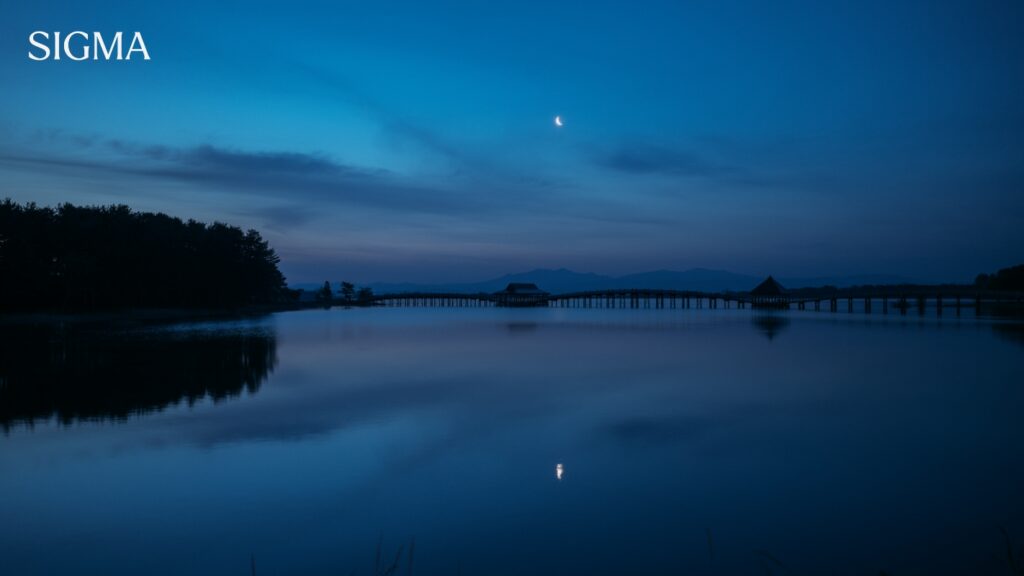
You have seen those photos that feel like a frame from a movie, where the light falls just right, the background melts away, and the subject tells a story without saying a word. That is the power of cinematic photography.
But here is the thing. It is not about expensive gear alone. A photographer in Lahore’s Anarkali Bazaar can create a more cinematic frame than someone with a studio full of lights. The real difference comes down to understanding light, lenses, composition, and a few deliberate camera choices.
This guide breaks down exactly how to achieve that film-like quality in your photos. Whether you shoot portraits, street scenes, or creative projects across Pakistan, these practical tips will change how your images feel.
Why Some Photos Feel Cinematic While Others Look Like Snapshots
The answer is simple. Cinematic frames are intentional. Every element serves the story. A snapshot captures a moment without much thought about light or framing. In contrast, a cinematic frame controls what the viewer sees and feels. It guides the eye and creates mood through light and shadow. It uses depth to separate the subject from the world behind them.
Think about your favourite film scenes. The director did not leave anything to chance. Similarly, the same principle applies to still photography. When you start making deliberate choices about aperture, focal length, and framing, your photos shift from casual records to emotional stories.
That shift does not require film school. It requires awareness and practice.
The 4 Things That Create a Cinematic Look
Four core elements separate ordinary images from frames that feel like cinema. Master these, and everything else falls into place.
Lighting Direction and Mood
Cinematic lighting is rarely flat or even. It has direction, contrast, and purpose. Side lighting creates drama. It sculpts the face and adds dimension to any scene. Backlighting produces silhouettes and rim light that separate subjects from backgrounds. Even harsh afternoon sun in Karachi can work if you position your subject to use the light creatively.
Golden hour remains the easiest starting point. That warm, low-angle light before sunset naturally produces the mood filmmakers chase. For example, in Pakistani cities, the golden hour glow against old brick architecture creates stunning results.
The key is to observe where light falls before you press the shutter.
Lens Compression and Depth
Focal length changes how your scene feels. A wide lens stretches space and exaggerates distance. On the other hand, a longer lens compresses everything, pulling backgrounds closer to your subject.
This compression is why portrait photographers love 85mm and 135mm lenses. The background becomes a soft wash of colour and shape. As a result, the subject stands out clearly. That layered depth is a hallmark of the film-like aesthetic you see in cinema.
Even at 50mm, you can achieve noticeable compression by stepping back and shooting at wide apertures.
Composition and Negative Space
Film directors use the entire frame with purpose. Empty space is never wasted. It creates breathing room and draws attention to the subject.
Placing your subject off-centre using the rule of thirds instantly adds visual tension. Furthermore, leaving open space on one side of the frame suggests movement or thought. These are the same techniques cinematographers use in every scene.
Tight crops work too. For instance, a close frame on someone’s hands or eyes can carry more emotion than a full-body shot.
Color and Contrast
Cinematic color grading gives images a unified colour palette. Films rarely use every colour equally. They lean warm or cool. They desaturate some tones while boosting others.
You can apply similar principles in Adobe Lightroom. Teal and orange remains a popular cinematic palette because it complements skin tones against cooler backgrounds. However, do not feel locked into trends. Find a palette that suits your story.
Contrast matters just as much. Lifting your blacks slightly creates that faded film look, while crushing them adds intensity. Both are valid creative choices.
Best Camera Settings for Cinematic Photography
Your camera settings directly shape the mood and feel of every frame. Here is how to set up your camera for that film-inspired result.
Aperture Settings for Background Blur
Wide apertures like f/1.4 or f/1.8 create shallow depth of field. Your subject stays sharp while the background dissolves into smooth bokeh photography lovers recognize from cinema.
For single-subject portraits, f/1.4 to f/2 works beautifully. Meanwhile, for environmental scenes where you want some background context, try f/2.8 to f/4. This range keeps your subject prominent without losing the setting entirely.
The key is matching aperture to your story, where isolation needs wider apertures and context needs slightly narrower ones.
Shutter Speed and Motion Feel
Filmmakers follow the 180 degree shutter rule. It means your shutter speed should be roughly double your frame rate. For still photography, this translates to a useful principle.
Slower shutter speeds around 1/60s can introduce subtle motion blur in moving subjects. That slight blur mimics the natural motion flow of film and adds a sense of life. Faster speeds freeze everything, which can feel too clinical for cinematic work.
For handheld shooting, stay at or above 1/125s to avoid camera shake. Additionally, use a tripod if you want to experiment with slower exposures.
ISO Settings for Low-Light Mood
Many cinematic scenes happen in low light. Evening streets, dimly lit cafes, indoor venues. Your ISO helps you capture these without losing quality.
Modern mirrorless cameras handle ISO 1600 to 3200 well. Notably, some grain at higher ISOs can actually enhance the cinematic feel. It mimics the texture of analog film stock.
Pair higher ISO with a fast lens at f/1.4 or f/1.8, and you can shoot in remarkably dim conditions. For example, Lahore’s Food Street at night or Islamabad’s Faisal Mosque at dusk become perfect locations for moody, atmospheric work.
Why Lens Choice Changes the Entire Cinematic Look
Your lens matters more than your camera body because a sharp, fast prime lens on an older body will outperform a kit zoom on the latest flagship. Focal length controls perspective, aperture controls depth, and optical quality controls rendering and character. These three factors shape the entire personality of your image. Understanding lens sharpness and what affects it helps you make smarter decisions when choosing glass.
Wide primes like 35mm feel immersive. You are inside the scene with the subject. Medium telephoto lenses like 85mm feel observational. You are watching the scene unfold from a comfortable distance. Both approaches work for creating cinematic frames, but they produce very different emotional responses.
Fast apertures also matter practically. An f/1.4 lens gathers significantly more light than an f/4 zoom. Beyond that, it gives you creative control over depth of field that slower lenses simply cannot match.
Investing in quality glass is the single most impactful upgrade for any photographer chasing cinematic results.
Best Sigma Lenses for Cinematic Photography
Sigma Art series lenses have earned a strong reputation among photographers and filmmakers worldwide. Their optical quality, build, and fast apertures make them excellent tools for creating cinematic images. At Sigma Pakistan, these lenses are available with local warranty and support, which matters when you are investing in professional glass.
| Sigma Lens | Best For | Ideal Shooting Scenario |
| 35mm f/1.4 DG DN Art | Street & Travel | Lahore’s Walled City, documentary work |
| 85mm f/1.4 DG DN Art | Portraits & Weddings | Bridal shoots, fashion editorials |
| 24-70mm f/2.8 DG DN II Art | Events & Versatility | Wedding ceremonies, corporate events |
| 28-45mm f/1.8 DG DN Art | Low-Light & Video | Evening sessions, indoor studios |
Sigma 35mm Lenses for Storytelling Shots
The Sigma 35mm f/1.4 DG DN Art is a visual storytelling powerhouse. Its wide perspective pulls viewers into the scene while the f/1.4 aperture creates gorgeous subject separation.
Street photographers in Lahore and Karachi love this focal length. It captures environmental context without distortion. You get the bustling market, the subject, and the atmosphere all in one frame. For travel and documentary work across Pakistan, this lens handles nearly every situation.
The rendering is natural and clean. Bokeh transitions smoothly from sharp to soft. Flare control is excellent, which matters when shooting into golden hour light.
Sigma 85mm Lenses for Cinematic Portraits
For cinematic portraits, the Sigma 85mm f/1.4 DG DN Art is hard to beat. The compression at 85mm flatters facial features beautifully. Backgrounds melt into creamy, painterly blur.
This is the lens that makes wedding photographers and portrait artists reach for it first. At f/1.4, the depth of field is razor thin. Eyes stay sharp while everything else falls away. The result feels like a still from a period drama. Pakistani wedding and fashion photographers particularly benefit from this focal length. The lens handles both outdoor natural-light sessions and indoor event coverage with equal confidence.
Sigma 24-70mm f/2.8 DG DN II Art for Versatile Creators
Every photographer needs one lens that handles almost everything. The Sigma 24-70mm f/2.8 DG DN II Art is that lens. It is the best lens for cinematic photography when versatility matters most.
The constant f/2.8 aperture delivers beautiful background separation across the entire zoom range. At 745g, it is 10% lighter than the previous version while offering sharper results. The upgraded HLA motor focuses three times faster than the original, which is crucial for capturing fleeting moments.
The 24-70mm range covers wide establishing shots at 24mm and tighter portrait framing at 70mm. Pakistani wedding photographers and event creators rely on this focal range daily. One lens handles the entire ceremony, from wide venue shots to intimate close-ups with smooth bokeh.
Sigma 28-45mm f/1.8 DG DN Art for Creative Flexibility
Every zoom lens enthusiast dreaming of prime-like apertures now has a genuine option. The Sigma 28-45mm f/1.8 DG DN Art is the world’s first full-frame f/1.8 standard zoom. It delivers on that promise completely.
The f/1.8 maximum aperture across the entire zoom range separates it from conventional zooms immediately. Background separation is exceptional at every focal length. Photographers no longer sacrifice light or bokeh quality when moving between focal lengths. The 28mm end handles wide environmental shots beautifully. The 45mm end delivers compressed, intimate portraits with ease.
Pakistani commercial and fashion photographers shooting in low light studios benefit greatly from this lens. Evening outdoor sessions also become far more manageable. The extra stop of light over traditional f/2.8 zooms makes a real difference. Optical construction is precise and renders fine details cleanly across the frame. Transitions from sharp foreground to soft background feel organic and filmic. For creators wanting zoom convenience without sacrificing a cinematic look, this lens fills the gap perfectly.
How to Compose Photos Like a Movie Scene
Cinematic composition borrows directly from filmmaking. These techniques work whether you shoot on a full-frame mirrorless or a smartphone.
Using Leading Lines and Framing
Leading lines guide the viewer’s eye toward your subject. Roads, railways, corridors, and architectural edges all serve as natural guides.
In Pakistani cities, narrow gali (alleyways) create perfect leading lines. The walls on either side naturally frame your subject standing at the end. Mughal architecture in Lahore offers arches and doorways that work as built-in frames.
Natural framing adds depth. Shooting through a window, a doorway, or between tree branches creates layers. These layers make your image feel three-dimensional.
Creating Depth with Foreground Elements
Place something in the foreground. A blurred flower, a railing, a shoulder. This simple addition transforms a flat image into a layered scene.
Cinematographers use foreground elements constantly. They shoot past objects to reach the subject. This technique works equally well in still photography.
Even a strand of fairy lights in the foreground can add beautiful texture and depth to a portrait. Pakistani chai stalls and restaurant settings offer plenty of foreground interest for creative framing.
Using Negative Space for Emotion
Negative space is the empty area around your subject. It creates breathing room and amplifies emotion.
A lone figure against a vast sky feels contemplative. A person at the edge of the frame with empty space ahead suggests a journey. These are powerful storytelling tools that cost nothing to use.
Pakistani landscapes offer incredible opportunities for negative space. The Thar Desert, Deosai Plains, and even flat rooftops at sunset provide vast, minimal backdrops for emotionally resonant images.
Here’s the updated section:
Why Your Photos Still Don’t Look Cinematic
You have the right settings and a good lens, but something still feels off. Here is what might actually be holding your shots back.
- Inconsistent colour treatment. Every strong cinematic image has a unified colour palette. If your whites are pure, your shadows are neutral, and your highlights are warm, the image feels confused. Pick a direction and commit.
- Too much sharpening. Over-sharpened images look digital and harsh. Cinematic photos have a natural, slightly soft quality that feels organic. Ease up on clarity and sharpening sliders.
- Centred subjects with no thought to framing. Placing everything dead centre removes visual tension. Move your subject off-centre and use the edges and corners of your frame.
- Ignoring the background. A distracting background ruins even perfectly lit portraits. Before shooting, check what sits behind your subject. A clean or complementary background makes a massive difference.
- Not editing with intention. Great cinematic shots are rarely straight out of camera. A thoughtful edit that enhances mood, refines colour, and adjusts contrast completes the cinematic process.
Cinematic Photography in Pakistani Streets and Indoor Locations
Pakistan offers extraordinary locations for cinematic work. The diversity of architecture, light, and culture provides endless creative material.
Lahore’s Walled City is a treasure for street photographers. Narrow streets, warm brick tones, and dramatic light shafts through old wooden balconies create frames that feel like historical cinema. The Badshahi Mosque courtyard at sunrise offers vast symmetry and golden light.
Karachi’s Saddar and Burns Garden areas combine colonial architecture with bustling street life. The contrast between old stone buildings and modern activity provides rich cinematic photography tips in practice.
Islamabad’s Faisal Mosque and Margalla Hills offer clean, modern backdrops. The minimalist architecture works beautifully for negative space compositions. Trail paths through the hills provide natural leading lines and dappled forest light.
Beyond the cities, traditional havelis and heritage hotels across Punjab provide ornate settings. The natural window light filtering through carved wooden screens creates soft, directional illumination that rivals any studio setup.
The best part about shooting in Pakistan is the golden hour quality. The warm, hazy light in cities like Lahore and Multan naturally produces the warmth and glow that photographers in other countries spend hours replicating in post-production. With that in mind, use these locations alongside the cinematic camera settings and composition techniques covered in this guide. The results will speak for themselves.
Final Thoughts
Cinematic photography is not a mystery reserved for Hollywood. It is a set of deliberate creative choices that any photographer can learn and apply.
Start with light. Choose a lens that gives you depth and character. Frame your shots with intention. Finally, edit with a consistent colour vision. These four pillars turn ordinary images into frames that hold attention and tell stories.
If you are ready to upgrade your glass, explore the Sigma Art lens lineup at Sigma Pakistan. From the 35mm f/1.4 for street and travel work to the 85mm f/1.4 for portraits, the 24-70mm f/2.8 for all-round versatility, and the 28-45mm f/1.8 for low-light creative work, these lenses give you the optical quality that cinematic results demand. With local warranty and expert support, Sigma Pakistan makes professional glass accessible to photographers across the country.
Now go find your light, set your frame, and create something that feels like cinema.
Frequently Asked Questions
What makes a photo look cinematic?
A cinematic photo transports the viewer into a movie-like scene through intentional storytelling and dramatic lighting. It prioritizes mood over technical perfection by using shallow depth of field, directional light, and compressed framing. Specific colour grading, wide aspect ratios, and atmospheric compositions work together to evoke real emotion.
What lens is best for cinematic photography?
Fast prime lenses like the Sigma 35mm f/1.4 and 85mm f/1.4 Art are excellent choices. Their wide apertures create smooth background blur and strong subject separation. For zoom flexibility, the Sigma 24-70mm f/2.8 DG DN II Art delivers cinematic results across multiple focal lengths.
How do photographers create cinematic lighting?
Cinematic lighting uses direction and contrast to build mood. Side lighting adds drama and dimension to faces. Backlighting creates rim light and silhouettes. Golden hour provides naturally warm, low-angle light that produces the atmospheric glow seen in films.
What camera settings make photos look cinematic?
Use a wide aperture between f/1.4 and f/2.8 for shallow depth of field. Keep shutter speed around 1/60s to 1/125s for natural motion. Set ISO between 800 and 3200 for low-light mood. These settings together produce that film-inspired look.
How do you make photos look like movie scenes?
Making photos look like movie scenes means prioritising storytelling over simply capturing a subject. Use dramatic lighting like backlighting or single light sources to create mood. Reduce clutter for a cleaner frame and apply colour grading for a specific atmosphere. Compose with leading lines and negative space for a cinematic feel.
