
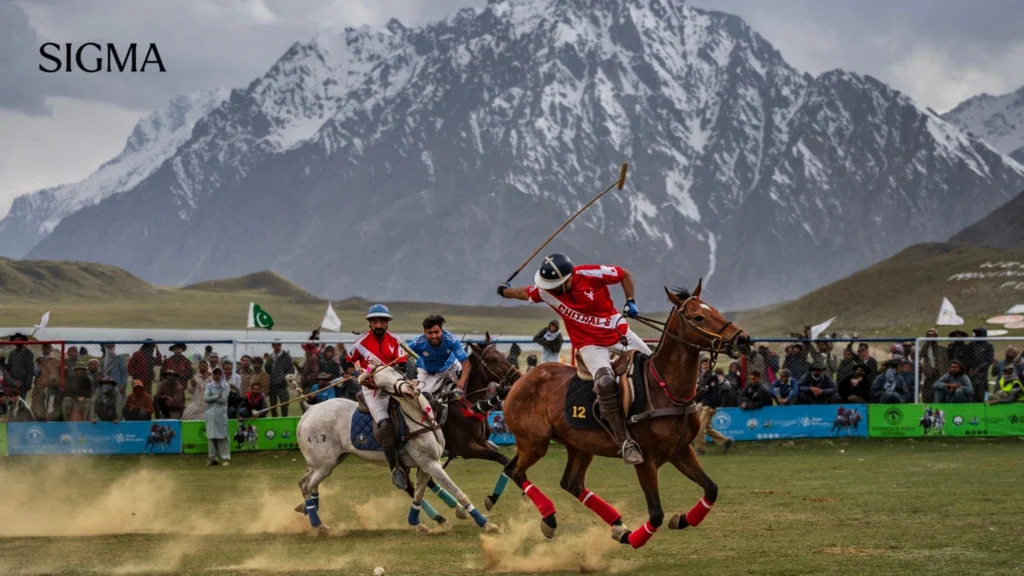
Shutter speed is how long your camera’s sensor stays exposed to light when you press the shutter button. It controls whether a moving subject freezes sharply or blurs across the frame, directly shaping the sharpness, mood, and story of every photo you take.
Yet two photographers can stand in identical light, shoot the same subject, and walk away with completely different results. One gets a sharp, punchy image. The other gets blurred. That difference almost always comes down to shutter speed.
It is also one-third of the exposure triangle, alongside aperture and ISO. These three settings work together on every single shot. Master shutter speed, and the other two start making a lot more sense.
This guide covers everything practically from understanding the basics to picking the right value for portraits, sports, weddings, and video.
What Is Shutter Speed and Why Does It Matter?
Shutter speed is the amount of time your camera’s shutter stays open to expose the image sensor to light. It controls two things at once: how much light enters the camera and how motion appears in the frame.
Think of the shutter as a curtain inside your camera. It opens, lets light hit the sensor, then closes. The time between open and closed is your shutter speed. It is measured in fractions of a second:
- 1/1000s — extremely fast, freezes sharp action
- 1/250s — safe for most handheld shooting
- 1/60s — slow enough for low light, blur risk increases
- 1s or longer — full long exposure, strong motion blur or light trails
Faster speeds let in less light. Slower speeds let in more. That trade-off sits at the centre of every exposure decision you make.
Shutter speed photography only makes full sense alongside the exposure triangle. These three settings work together on every shot:
- Shutter speed — controls how long light enters
- Aperture — controls how wide the lens opens
- Camera ISO — controls how sensitive the sensor is
Change one setting, and the others need to follow. Together, they produce a properly exposed image. Getting comfortable with this balance is the first real step in shutter speed for beginners.
How Shutter Speed Causes Motion Blur and Camera Shake
Motion blur is not always a mistake. Sometimes it tells a story. But understanding when and why it happens helps you stay in control.
Blur from Camera Movement
Camera shake happens when you handhold your camera at a slow shutter speed. Even tiny hand tremors transfer to the sensor, softening the entire frame. The slower the speed, the more visible the blur becomes.
The reciprocal rule gives you a reliable baseline to avoid this. It states your shutter speed should never drop below the reciprocal of your focal length:
- 50mm lens — use at least 1/50s
- 100mm lens — use at least 1/100s
- 200mm lens — use at least 1/200s
Longer focal lengths magnify movement, so they demand faster speeds to stay sharp.
Some Sigma lenses include optical stabilization, which actively counteracts hand movement while you shoot. This gives you extra room to drop below the reciprocal rule safely. Even so, the rule remains the most reliable starting point for handholding in everyday conditions.
Blur from Subject Movement
Motion blur photography occurs when your subject moves through the frame while the shutter is open. The slower your camera shutter speed, the more movement gets recorded across the image.
A child running, a bird in flight, or a car passing by will all come out blurred at 1/60s or slower. Used accidentally, it ruins a shot. Used deliberately, it becomes a creative tool.
At a wedding, a slow pan of dancing guests creates energy and mood. At a sports event, the same technique usually ruins the shot. Fast speeds stop movement completely. Slow speeds paint it across the frame.
Fast vs Slow Shutter Speed: A Direct Visual Comparison
Here is a practical side-by-side look at how speed choices change your results.
| Setting | Effect | Best For |
| 1/2000s or faster | Freezes all movement sharply | Sports, birds, splashing water |
| 1/500s – 1/1000s | Freezes most action cleanly | Portraits, children, moving vehicles |
| 1/125s – 1/250s | Safe for handheld shooting | Street, travel, everyday scenes |
| 1/30s – 1/60s | Slight motion blur risk | Low light, static subjects only |
| 1s or slower | Strong blur or silky effect | Long exposure, waterfalls, light trails |
Pro Tip: In bright daylight, a fast shutter speed pairs naturally with a wider aperture or slightly higher camera ISO to keep your exposure balanced. In dim conditions, slow speeds work best on a tripod with a static subject.
Slow speeds suit dim environments or creative work. A long exposure at night can turn city traffic into glowing light streaks across your frame.
Best Shutter Speeds for Common Photography Situations
The right shutter speed depends entirely on your subject and the conditions you are shooting in. Each situation calls for a different baseline, and knowing where to start saves you from missing the shot while you adjust.
Every value below comes from real-world practice, not theory.
Portrait Photography
Baseline: 1/160s
For portraits, sharp eyes are everything. A speed of 1/160s handles most sessions reliably. Your subject may shift or tilt their head mid-shot, so this baseline gives you a safe buffer without overexposing in moderate light.
Drop to 1/60s only for static subjects in low-light conditions, and always use a tripod. Push to 1/1000s when your subject is actively moving, children playing, or a candid moment mid-laugh.
In bright outdoor light, a DSLR shutter speed of 1/500s or faster works well. It eliminates any risk from small movements without affecting exposure too much.
Sports and Wildlife Photography
Baseline: 1/1000s
Frozen action demands speed. Start at 1/1000s for most sports and push to 1/2500s or faster for birds in flight or fast-moving subjects. Cricket players at the crease, motorbike racers at a Lahore rally, or birds lifting off from a wetland all need that extra speed to come out sharp.
For creative panning shots, drop to 1/30s and track your subject as you press the shutter. The subject stays relatively sharp while the background blurs into motion streaks.
Use continuous shooting mode alongside your chosen speed. More frames mean better chances of catching the decisive moment.
Pro Tip: For unpredictable subjects, set your camera to shutter priority mode. Your camera handles exposure automatically while you stay focused entirely on timing.
Street and Travel Photography
Baseline: 1/125s
Street photography in busy Pakistani markets, from Anarkali to Saddar, involves unpredictable movement. A baseline of 1/125s gives you enough flexibility to react quickly in most conditions.
Push to 1/250s or faster in busy crowds where subjects move quickly through the frame. Drop to 1/60s for low-light ambient scenes, but hold steady or find a surface to brace against.
Pair this with a wide aperture lens for better results in shaded alleys or indoor bazaars. Sigma’s Contemporary line offers excellent options for exactly this kind of versatile, travel-ready shooting.
Wedding and Event Photography
Baseline: 1/160s
Weddings in Pakistan are full of energy. The baraat procession, the mehndi dances, the nikah hall lighting each moment requires different thinking.
Use 1/250s or faster on the dance floor where movement is constant and unpredictable. For static detail shots, flower arrangements, table settings, or the bridal dress, 1/60s works well in low light.
Shutter speed paired with a fast lens makes the biggest difference at events. When venues are dark, your ability to use f/1.4 or f/1.8 while keeping a reasonable speed separates sharp shots from blurry regrets.
Shutter Speed and Lens Choice — Why a Fast Lens Helps
A fast lens with a wide aperture, such as f/1.4 or f/1.8, lets you use a faster shutter speed in low light without pushing the camera ISO too high. More light enters the lens, so your sensor needs less time to expose correctly.
Consider a dimly lit nikkah hall. A slow f/5.6 lens forces you to drop to 1/30s or raise ISO dramatically. Sigma 35mm F1.2 DG II Art gives you 1/250s in that same light, with clean, sharp results.
The camera ISO shutter speed aperture relationship becomes far more flexible when your lens opens wide. Sigma Pakistan carries the full Art, Contemporary, and Sports lineup at sigmaphoto.com.pk, with official warranty and local support.
Shutter Speed for Video Creators
For video, shutter speed follows one essential rule. Set it to double your frame rate, and your footage will look natural, smooth, and cinematic every time.
Understanding the 180-Degree Rule
The 180-degree rule states that your shutter speed should be double your frame rate. This mathematically simulates how traditional film cameras exposed each frame for exactly half its duration, producing motion blur that the human brain reads as natural and smooth.
Ignoring this rule has visible consequences:
- Too fast (e.g., 1/500s at 24fps) — footage looks choppy, jittery, and staccato
- Too slow (e.g., 1/24s at 24fps) — subjects appear smeared with excessive ghosting
Since most cameras do not offer exact values like 1/48s, use the closest available setting:
| Frame Rate | Ideal Setting | Camera Setting |
| 24fps | 1/48s | 1/50s |
| 30fps | 1/60s | 1/60s |
| 60fps | 1/120s | 1/125s |
| 120fps | 1/240s | 1/250s |
One important note for Pakistani videographers: In Pakistan, electricity runs on 50Hz power. Shooting under artificial lights at mismatched shutter speeds can cause visible flickering in your footage. Stick to 1/50s or 1/100s indoors to stay aligned with the local power frequency.
For video creators using Sigma cine lenses or full-frame mirrorless cameras, following the 180-degree rule keeps your footage polished and professional from the very first frame.
Final Thoughts
Shutter speed is one of the most powerful controls on your camera. It shapes how time appears in your images, from frozen action to flowing water to glowing city lights. Once you understand it fully, you stop guessing and start making intentional choices.
Pair it with the right aperture, matching ISO, and a lens built for the job, and your photography moves to a completely different level.
Sigma Pakistan stocks a range of lenses built for every speed and every situation. Whether you shoot weddings in Karachi, wildlife in the Cholistan desert, or street scenes in old Lahore, there is a Sigma lens designed for exactly what you need. Visit https://sigmaphoto.com.pk to explore the full lineup with official support and genuine warranty.
Frequently Asked Questions
What is the rule of thumb for shutter speed in handheld photography?
The rule of thumb for handheld photography is to set your shutter speed to at least the reciprocal of your focal length. A 50mm lens needs 1/50s. A 200mm lens needs 1/200s. This minimizes camera shake in everyday shooting conditions.
What is the best shutter speed for freezing fast action?
Use 1/1000s or faster for most action shots. For birds in flight or fast sports, push to 1/2000s or beyond. Frozen action requires speed, so always prioritise a faster setting over perfect exposure.
Why do my indoor photos look grainy when I increase my shutter speed?
Faster speeds let in less light, forcing your camera ISO higher to compensate. Higher ISO produces visible grain. The fix is a wider aperture lens, such as f/1.4 or f/1.8, to retain light without raising ISO.
Why are my photos blurry even at a fast shutter speed?
Blur at fast speeds usually points to autofocus issues, not shutter speed. Check your focus point is locked on the subject. Camera shake from an unstabilized long lens can also cause blur despite a fast setting.
What shutter speed should I use for shooting video?
For natural-looking video, follow the 180-degree rule and set your shutter speed to double your frame rate. At 24fps use 1/50s, at 30fps use 1/60s, and at 60fps use 1/125s for smooth, cinematic footage.
