
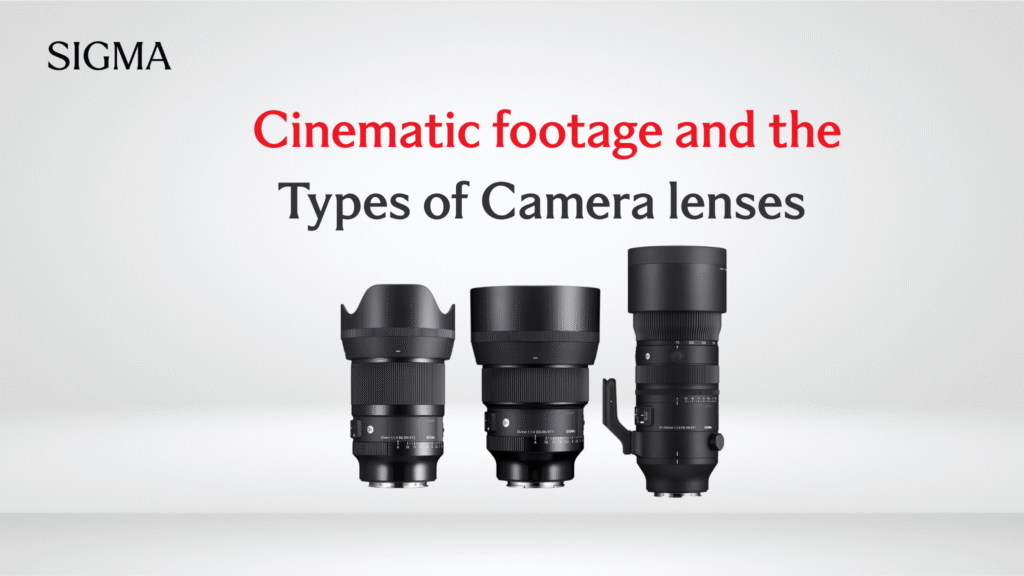
Cinematic footage is not only about cameras and lighting. In reality, the lens you choose plays a major role in how your visuals feel. The right lens controls depth, motion, perspective, and mood. That is why filmmakers spend so much time choosing lenses carefully.
Whether you are filming short films, brand videos, or YouTube content, understanding lenses makes your footage look more intentional and polished. Some lenses create dramatic wide scenes, while others isolate subjects beautifully. Brands like Sigma offer filmmakers flexible options that balance image quality, creative control, and affordability.
In this guide, we break down camera lenses in simple terms. You will learn how different lenses affect cinematic footage and which types suit specific shooting styles best.
Understanding Camera Lenses
Camera lenses shape how your story is visually told. They control how much of a scene appears in the frame and how subjects relate to their background. A lens also affects sharpness, color, depth, and distortion, which are all important for cinematic results. Different lenses create different emotions. A wide lens feels open and immersive, while a telephoto lens feels intimate and compressed. Because of this, filmmakers rarely rely on one lens alone. Instead, they build a small lens kit that supports various shots. Modern lenses, including those from Sigma, are designed to deliver consistent color, smooth focus, and reliable performance. Understanding these basics helps you choose lenses that match your creative goals rather than guessing.
How to Select a Camera Lens
Choosing a camera lens becomes easier when you focus on how you want your footage to look and feel. Instead of technical confusion, think about practical shooting needs and creative intent.
- Aperture: Aperture controls how much light enters the lens and how blurred the background appears. Wider apertures create cinematic separation between subject and background. This is especially useful for interviews, storytelling shots, and emotional close-ups.
- Focal Length: Focal length determines how wide or close your shot looks. Short focal lengths show more of the scene, while longer ones bring subjects closer. Filmmakers choose focal length to control perspective and storytelling emphasis.
- Fixed vs. Zoom: Fixed lenses offer consistent quality and wide apertures, while zoom lenses provide flexibility. Many filmmakers mix both to balance creative control and shooting speed on set.
- Crop Factor: Crop factor affects how a lens behaves on different camera sensors. A lens may appear tighter on crop-sensor cameras. Understanding this prevents framing surprises during filming.
- Image Stabilization: Image stabilization reduces small shakes during handheld shooting. This helps achieve smoother footage, especially when rigs or tripods are not available.
- Color Refractive Correction: Good lenses maintain accurate colors and contrast. This consistency reduces color correction work and keeps footage looking natural across scenes.
- Distortion: Lens distortion can either enhance creativity or distract viewers. Cinematic lenses control distortion carefully, keeping lines natural while preserving character.
Lens Focal Length and Size Guide
To make lens selection easier, the table below shows how different focal length ranges affect cinematic framing and the types of shots they are best used for.
| Focal Length Range | Lens Type | Best Use in Cinematic Footage |
| 8mm–16mm | Ultra Wide | Dramatic landscapes, creative shots |
| 18mm–35mm | Wide Angle | Establishing shots, interiors |
| 35mm–50mm | Standard | Natural perspective, dialogue scenes |
| 70mm–135mm | Telephoto | Portraits, emotional close-ups |
| 150mm+ | Super Telephoto | Distant subjects, compression shots |
Main Types of Camera Lenses
Different lens types serve different cinematic purposes. Knowing when to use each helps create visually engaging footage.
Prime Lenses
Prime lenses use a fixed focal length, which encourages deliberate framing. They often deliver superior sharpness and wider apertures, making them ideal for cinematic depth and low-light scenes. Because primes are optically simpler, they produce cleaner images with consistent character. Many filmmakers rely on prime lenses to maintain visual continuity across scenes. Additionally, primes help develop better composition skills, as movement replaces zooming. For cinematic storytelling, primes remain a trusted choice.
Zoom Lenses
Zoom lenses cover multiple focal lengths in one lens, offering flexibility during fast-paced shoots. They are useful when repositioning the camera is not practical. While traditionally less cinematic than primes, modern zooms deliver excellent image quality. They are especially helpful for documentaries and run-and-gun filmmaking. Zoom lenses reduce lens changes and maintain workflow efficiency. When used thoughtfully, they still produce cinematic results.
Wide-Angle Lenses
Wide-angle lenses capture more of the scene and exaggerate depth. They are often used for establishing shots and dynamic camera movement. In cinematic footage, wide lenses create immersion and energy. However, careful framing is required to avoid distortion. When controlled properly, wide-angle lenses enhance storytelling by showing the environment and subject relationship clearly.
Standard Lenses
Standard lenses offer a natural field of view close to human vision. They are commonly used for dialogue scenes and everyday cinematic storytelling. These lenses balance background context and subject focus well. Because of their versatility, standard lenses often become a filmmaker’s most-used tool. They provide consistency across scenes and are easy to work with in controlled lighting setups.
Telephoto Zoom Lens
Telephoto zoom lenses compress distance and isolate subjects effectively. They are ideal for emotional close-ups and cinematic details. These lenses reduce background distractions and enhance subject separation. Telephoto zooms are especially useful when filming from a distance. However, stability becomes important due to magnification. Used correctly, they add dramatic impact and visual focus.
Fisheye Lens
Fisheye lenses create extreme distortion and ultra-wide views. They are not commonly used for traditional cinematic scenes. However, they are powerful for experimental visuals and creative storytelling. Fisheye lenses bend straight lines and exaggerate motion. When used sparingly, they add artistic flair. Filmmakers often reserve fisheye lenses for stylized sequences.
Macro Lenses
Macro lenses capture extreme close-up details with high sharpness. They are perfect for cinematic product shots, textures, and visual storytelling elements. Macro lenses reveal details invisible to the naked eye. In cinematic work, they add variety and visual interest. Controlled lighting is important for the best results. Macro lenses enhance storytelling through detail.
Why choose Sigma lenses for cinematic footage?
They balance sharpness, color accuracy, and smooth focus—making them a practical choice for video creators.
Lens Speed and Other Considerations
Beyond lens type, technical factors influence how cinematic your footage appears. These elements help refine your lens choice further.
Lens Speed
Lens speed refers to how wide a lens can open its aperture. Faster lenses perform better in low light and create stronger background blur. This is especially valuable for cinematic footage where lighting control is limited. Faster lenses also allow lower ISO usage, preserving image quality. Many filmmakers prefer fast lenses for flexibility and visual depth.
Sensor Size
Sensor size impacts how lenses behave. Full-frame sensors offer wider views and smoother depth transitions. Crop sensors tighten framing and increase perceived reach. Understanding sensor size helps maintain a consistent cinematic look across different cameras. Lens selection should always account for sensor compatibility.
F-Stop
F-stop defines aperture size and depth of field. Lower f-stops create shallow focus and cinematic separation. Higher f-stops keep more of the scene sharp. Filmmakers adjust f-stop creatively depending on storytelling needs and lighting conditions.
Crop Factor
Crop factor changes how the focal length appears. A cropped sensor makes lenses feel more zoomed. This affects composition and lens choice. Knowing the crop factor prevents framing surprises and ensures visual consistency.
Wrapping Up
Cinematic footage depends heavily on the lens you choose. Each lens type brings a different visual language to your story. By understanding focal length, aperture, and lens behavior, filmmakers gain more creative control. Whether you prefer primes, zooms, or specialty lenses, the key is choosing tools that support your shooting style. Brands like Sigma offer filmmakers accessible options that balance performance and creativity. With the right lenses, cinematic visuals become easier to achieve and far more consistent.
Ready to shoot cinematic footage?
Explore Sigma camera lenses designed to support creative storytelling with reliable performance and consistent results.
