
Shutter count is one of the first things any serious photographer checks before buying a camera. It tells you exactly how much life a camera has lived and how much it likely has left.
Most people focus on megapixels, brand names, and price tags. The shutter count sits quietly in the background but it often tells a more honest story than any spec sheet. A camera with a suspiciously low price might carry a shutter count that explains everything.
Whether you are shopping for your first mirrorless body or upgrading to something more capable, this number can be the difference between a smart buy and a costly regret. Ignore it and you risk inheriting someone else’s problem. Understand it and you shop with real confidence.
This guide breaks it all down in plain language so your next camera decision is one you will not second-guess.
What Shutter Count Actually Means
Every time you press the shutter button, the camera records one actuation. The total number of these actuations is your shutter count meaning essentially the odometer reading of your camera.
A brand new camera starts at zero. That number climbs steadily with every photo you take. Manufacturers build each camera with a rated lifespan, commonly referred to as camera shutter life.
Think of it the way you think about an engine. The number alone does not tell the full story, but it gives you a clear starting point for any evaluation.
Mechanical vs Electronic Shutter
A camera shutter count tracks only the mechanical shutter. This is the physical curtain inside the camera body that opens and closes with each exposure.
The mechanical shutter has moving parts. Moving parts wear down over time. That is exactly why manufacturers assign a rated cycle count to every camera they produce.
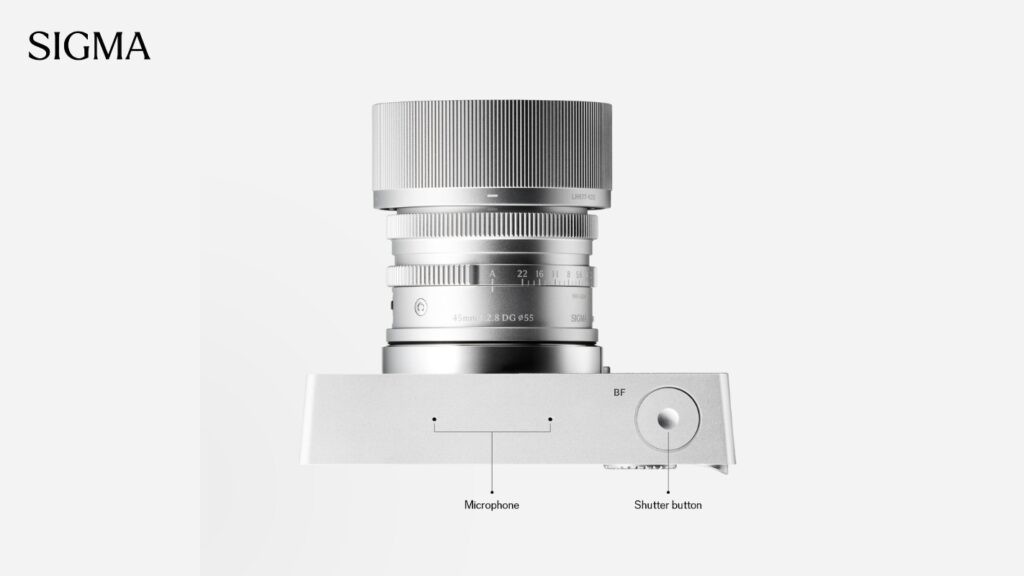
Most entry-level DSLRs are rated for around 100,000 actuations. Professional bodies often go up to 300,000 or more. Sigma BF camera and high-end mirrorless bodies are built with equally robust mechanical standards. TNThe electronic shutter works on an entirely different principle. It reads the sensor data row by row without engaging any physical components. It adds nothing to the shutter count.
Why Mirrorless Cameras Changed the Conversation
Mirrorless cameras shifted how the photography world thinks about shutter wear. Many creators now default to silent shooting through the electronic shutter, which means zero mechanical actuations per shot.
A mirrorless photographer who shoots primarily in electronic mode could have a very low mechanical count even after years of active shooting. That context matters a great deal when evaluating any camera.
It also means the mirrorless camera lifespan cannot be judged by shutter count alone. There is more to the picture, and we will cover that shortly.
What Is a Good Shutter Count for a Used Camera
There is no universal answer, but here is the framework most photographers rely on worldwide.
- Below 10,000 — Practically new. A great find if the price is right.
- 10,000 to 30,000 — Light use. Considered a very safe buy.
- 30,000 to 50,000 — Moderate use. Still has a solid life remaining. Inspect carefully.
- 50,000 to 100,000 — Heavy use on consumer bodies. Reasonable on professional-grade cameras.
- Above 100,000 — Proceed carefully on entry-level bodies. On pro cameras, still workable with proper inspection.
A DSLR shutter count of 80,000 on a full-frame body like a Nikon D750 may be completely fine. The same number on a basic crop-sensor body is a very different situation.
Also keep shutter replacement costs in mind. Depending on the brand and service availability in your area, a shutter replacement can add significantly to the total cost of ownership.
How to Check Camera Shutter Count
A shutter count check is simple once you know the right approach for your camera brand.
Using EXIF Data
EXIF data is information embedded inside every photo file your camera creates. Most cameras write the current shutter count directly into this data.
Take a test photo with the camera. Transfer the image to a computer. Open it with an EXIF reader like ExifTool or a similar application.
Look for a field labeled “Shutter Count”, “Image Count”, or “Actuations”. That figure is your answer.
This method works reliably on Canon, Nikon, Pentax, and many Sony cameras. It takes under two minutes and costs nothing.
Online Shutter Count Tools
Several free online tools make the process even simpler. Websites like myshuttercount.com let you upload a photo and display the count immediately. Always upload a fresh JPEG taken directly from the camera, not a processed or edited file. Edited images often strip or alter embedded EXIF data.
Some Canon models encrypt their shutter data, which means web tools may return blank results. For those cameras, desktop applications like Canon EOS Info provide accurate readings.
Checking Mirrorless Camera Actuations
For mirrorless camera shutter count, the approach is largely the same. Sony Alpha and Fujifilm bodies typically embed shutter data in EXIF. Certain mirrorless models also display the actuation count directly in the camera menu under “Setup” or “Maintenance” sections.
For Sigma fp and Sigma BF cameras, contacting Sigma Pakistan directly is the most reliable way to get an accurate and verified reading.
Does Video Recording Increase Shutter Count
Video creators ask this question regularly, and the answer is straightforward. Video recording does not increase the mechanical shutter count on most modern cameras.
During video capture, the camera pulls a continuous live readout from the sensor. The mechanical shutter stays in an open position for the entire recording. At most, it logs one actuation for the initial opening.
Older DSLRs may handle this differently depending on the model. Always confirm the behavior for any specific camera you are evaluating if video is a core part of your workflow.
For content creators and filmmakers, a camera with heavy video hours is generally a healthier buy than one with a high mechanical actuation count.
Why Shutter Count Matters Less on Modern Mirrorless Cameras
The role of shutter count has shifted meaningfully with modern mirrorless technology. Several factors have reduced its importance as a standalone metric.
Electronic shutters have become the default for a wide range of shooting situations. Sports, events, street photography, and studio work all increasingly happen in electronic mode with no mechanical wear involved.
Sensor health now carries more weight than shutter actuations when assessing a camera’s true condition. A camera with low actuations but a compromised sensor is a poor choice by any measure.
Mirrorless bodies also eliminate the mirror mechanism entirely. That alone removes a significant source of mechanical fatigue that DSLR owners have always had to account for.
Shutter count still provides a useful signal about how a camera has been used. It just works best as a starting point rather than a final verdict.
Beyond Shutter Count: What Else to Check Before Buying a Camera
A low shutter count on a poorly maintained camera means very little. These are the other areas that deserve equal attention during any camera evaluation.
Sensor Condition
Set the camera to f/16 and photograph a plain white wall or clear blue sky. Open the image at 100% zoom on a laptop screen.
Any dark spots, oil smears, or irregular marks tell you the sensor has contamination or damage. A technician can clean light dust quickly and affordably. Scratches or oil on the sensor surface require professional servicing and should be reflected in the price.
Lens Mount Wear
Look closely at the lens mount for scratches, exposed brass beneath the chrome finish, or any movement when you attach a lens.
Significant mount wear indicates a history of frequent lens changes. On mirrorless cameras, mount precision is critical because even minor misalignment can affect autofocus accuracy and edge sharpness especially with high-performance lenses.
Dead Pixels and Screen Issues
Power on the camera and inspect the LCD screen and viewfinder for fixed bright or dark spots.
Photograph a neutral surface and review the image at full zoom on a computer. Dead sensor pixels appear as permanent colored dots in the same position across every frame. A few near the edges may be acceptable. Several near the center significantly reduce the camera’s value and usability.
Common Mistakes When Buying Cameras in Pakistan
Pakistan has a vibrant camera market from specialist shops in Lahore’s camera market to online listings across the country. These are the mistakes that cost buyers the most.
- Taking the seller’s word for shutter count : Always verify the count yourself using EXIF data or a dedicated tool. A verbal claim is not evidence.
- Overlooking physical damage: Small dents on the top plate or body base can indicate a drop. Internal misalignments from drops often appear gradually and are expensive to correct.
- Skipping the autofocus test: Attach a lens and track a moving subject. Slow, hunting, or inconsistent AF often points to a camera that needs servicing.
- Not checking warranty status: Some cameras still carry active manufacturer warranty. Confirm this with the authorized distributor before completing any purchase.
- Buying through unofficial channels: Cameras without proper import documentation for the Pakistani market can create complications with warranty claims and after-sales support.
Why Many Creators Upgrade Before Shutter Failure
There is a pattern worth understanding when buying cameras in Pakistan. Most professional photographers replace their bodies every three to four years not because the shutter failed, but because newer technology gives them a competitive edge.
Better autofocus systems, improved video capabilities, and updated sensor generations drive the upgrade cycle. The result is a steady flow of well-maintained cameras entering the market while they still have substantial life remaining.
A professional photographer’s two-year-old body with 70,000 to 90,000 actuations, kept in a dry cabinet and serviced regularly, can represent outstanding value.
The same logic applies here as it does to any precision equipment. A well-maintained tool with higher usage almost always outperforms a neglected one with a lower count.
Best Sigma Lenses for Mirrorless Camera Upgrades
Once you have the right body, the lens makes the larger difference in your final image quality. This is where investing in the right glass pays off for years beyond any single camera upgrade.
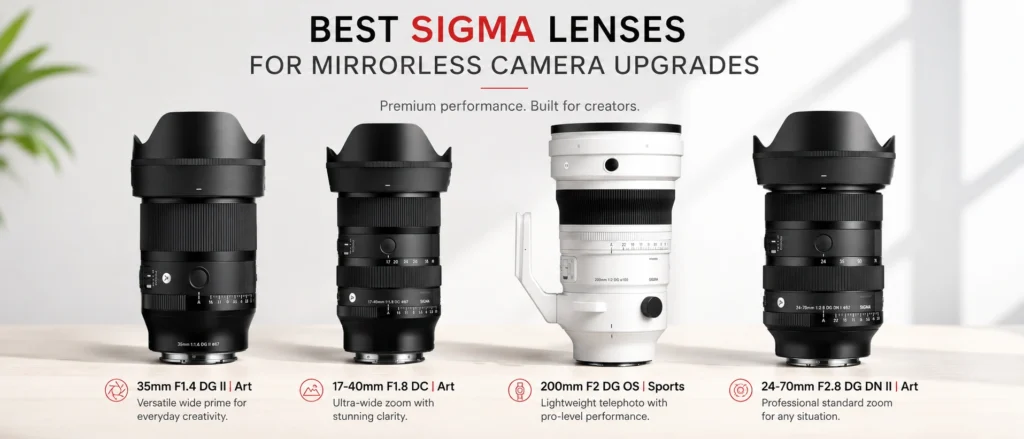
Sigma’s Art line is engineered for photographers who demand the highest optical performance. The Sigma 35mm F1.4 DG II Art sets a benchmark for sharpness, rendering, and low-light capability at any price point.
For events, weddings, or architecture, the Sigma 17-40mm F1.8 DC Art delivers a consistent f/1.8 aperture across the full zoom range, a genuinely rare capability in this category.
Wildlife and sports photographers will find the Sigma 200mm F2 DG OS Sports built precisely for their demands. It combines reach, speed, and optical precision in a way few lenses in its class can match.
Travel and documentary creators looking for versatility without compromise will appreciate the Sigma 24-70mm F2.8 DG DN II Art. It delivers a reliable standard zoom range with a constant f/2.8 aperture and optical sharpness that holds up in any shooting condition.
Every Sigma lens available through Sigma Pakistan carries official warranty coverage and full after-sales support from an authorized distributor. That backing is worth something especially when your gear is central to your work. Browse the complete range and check compatibility with your camera body at Sigma photo Pakistan.
Final Thoughts
Shutter count is a meaningful number. It reflects how actively a camera has been used and where it likely stands in its mechanical life.
But it is one data point, not the whole story. A carefully maintained camera with 80,000 actuations can far outlast a neglected body with 15,000. Condition, care, and history matter just as much as the count itself.
Use the number as your opening question. Follow it with a thorough physical check, sensor test, and autofocus evaluation before you commit.
And when it comes to lenses, choose glass that outlasts the camera bodies you will cycle through over your career. Sigma builds lenses with that long-term standard in mind made entirely in Aizu, Japan, and backed by the kind of optical engineering that holds its value year after year.
Frequently Asked Questions
What is a good shutter count for a used camera?
A shutter count below 30,000 is considered light use and a safe buy. Between 30,000 and 50,000 is moderate use with solid life remaining. Above 100,000 on a consumer body needs careful inspection. On professional-grade cameras, higher counts are generally more acceptable.
How do I check camera shutter count?
Take a fresh photo with the camera. Transfer the JPEG to a computer and open it with an EXIF reader like ExifTool. Look for fields labeled “Shutter Count” or “Actuations.” Alternatively, upload the image to free tools like myshuttercount.com for an instant reading.
Does video recording increase shutter count?
No. Video recording does not increase the mechanical shutter count on most modern cameras. During recording, the shutter stays open and the camera reads the sensor continuously. At most, it logs one actuation for the initial opening. Always confirm this behavior for your specific camera model.
Is high shutter count bad for mirrorless cameras?
Not necessarily. Mirrorless cameras often use electronic shutters for most shooting, which adds zero mechanical actuations. Sensor health, physical condition, and overall maintenance matter more than the count alone. A well-maintained mirrorless body with a high count can still deliver years of reliable performance.
Should I buy a used camera with 100k shutter count?
It depends on the camera. A professional-grade body rated for 300,000 actuations at 100,000 is still in its early life. A consumer body rated for 100,000 is at its limit. Always inspect the sensor, autofocus, and physical condition before making a final decision.
