
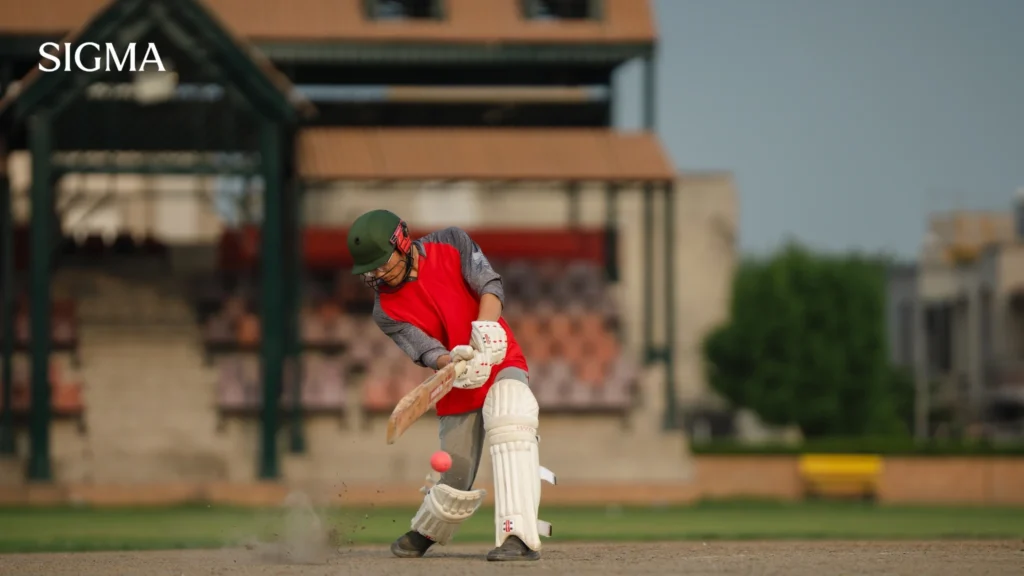
Cricket moves fast, and so does the ball off the bat. A batsman drives through covers in a blink. A fast bowler releases at 140 km/h. Catching these moments needs more than quick reflexes. It needs the right sports photography lens. Whether you shoot from the boundary rope in Gaddafi Stadium or cover a local match on a Sunday afternoon, your lens decides whether you freeze the moment or miss it.
This guide breaks down the best Sigma lenses for cricket photography in Pakistan, based on focal length, autofocus speed, and real shooting conditions. Choose the right glass, and every match becomes a portfolio opportunity.
What Makes a Great Cricket Photography Lens?
A great cricket photography lens combines reach, speed, and stability in one package. These three factors work together during every match, not in isolation.
Why Long Focal Length Matters
Long focal length brings distant action close without stepping onto the field. Cricket grounds are large, and players often stay far from the boundary. A telephoto lens in the 400mm to 600mm range compresses that distance effectively. This extra reach lets you fill the frame with a bowler’s delivery stride or a fielder’s diving catch. Shorter lenses simply cannot deliver this level of detail from stadium seating or boundary positions.
Fast Autofocus for Action Shots
Continuous autofocus locks onto moving players and keeps them sharp through the entire play. Cricket involves fast-moving subjects that change direction without warning. A lens with reliable autofocus tracking follows a sprinting fielder or a diving wicketkeeper without hunting. Subject tracking performance separates a usable shot from a blurry miss. Pair this with burst shooting on your camera body, and you capture the full sequence of a run-out or a stumping.
Low-Light Performance for Day-Night Matches
Day-night matches push equipment to its limit once floodlights take over. Light drops, and shutter speeds need support from a wider aperture or strong optical stabilization. Sigma sports lenses handle this shift well, since stabilization compensates for camera shake at slower shutter speeds. This matters most during evening sessions, when contrast between shadows and floodlit patches increases. A well-stabilized lens keeps images sharp even as natural light fades.
Best Sigma Sports Lenses for Cricket Photography
The best Sigma sports lenses for cricket photography are the 150-600mm, 300-600mm, 70-200mm, and 100-400mm models. Each one targets a different shooting distance and budget. Sigma builds its Sports line specifically for sports action photography, and these four lenses cover nearly every cricket scenario in Pakistan, from close boundary action to distant stadium shots.
Sigma 150-600mm F5-6.3 DG DN OS Sports
This lens is one of the most versatile options for cricket photography lens shoppers. It covers 150mm to 600mm in one telephoto zoom, giving photographers flexibility to reframe quickly during a match. Built-in optical stabilization helps handheld shooting from stadium seats. It works well as a telephoto lens for Sony E-mount and L-mount bodies. Weight sits around 1,930 grams, which stays manageable for a full day of shooting. This lens suits photographers who want one lens for both cricket and general sports photography.
Sigma 300-600mm F4 DG OS Sports
Professionals who need maximum reach and a constant aperture choose this lens. The fixed F4 aperture across the zoom range delivers strong low-light performance, useful during day-night fixtures. Its extended focal range brings players into sharp focus even from the farthest boundary positions. Weight is heavier, near 3,970 grams, so a monopod helps during long sessions. This is the top pick for photographers shooting international matches or working press assignments where every frame counts.
Sigma 70-200mm F2.8 DG DN OS Sports
This lens serves photographers who shoot from closer positions, such as the boundary rope or team enclosures. Its constant F2.8 aperture handles low-light performance well during evening sessions and floodlit overs. Continuous autofocus stays fast and accurate on nearby fielders and batsmen, since the shorter range demands quick, precise focus shifts. Weight stays around 1,300 grams, making it easier to carry alongside a second telephoto lens body. Many photographers pair this lens with the 150-600mm for full coverage of both close and distant cricket action.
Sigma 100-400mm DG DN OS Contemporary
Hobbyists and enthusiasts often start with this lighter, more affordable option. At roughly 1,140 grams, it stays comfortable for travel and casual matches. The 100-400mm range still delivers strong reach for club-level cricket or school tournaments. Continuous autofocus performance remains reliable, even if it trails the Sports line in tracking speed. This lens works as an accessible entry point into serious sports photography without a heavy investment.
| Sigma Lens | Focal Range | Aperture | Approx. Weight | Best For |
| 70-200mm F2.8 DG DN OS Sports | 70-200mm | F2.8 | 1,335g | Close boundary and enclosure shooting |
| 150-600mm F5-6.3 DG DN OS Sports | 150-600mm | F5-6.3 | 1,930g | Versatile all-round cricket coverage |
| 300-600mm F4 DG OS Sports | 300-600mm | F4 | 3,970g | Professional and press photography |
| 100-400mm DG DN OS Contemporary | 100-400mm | F5-6.3 | 1,160g | Hobbyists and travel photography |
Which Sigma Lens Should You Choose?
The right Sigma lens depends on where you shoot, how far you sit from play, and how often you shoot cricket. Professionals need reach and speed. Hobbyists need value. Travel shooters need flexibility. Indoor and evening shooters need a bright aperture. The four sections below match each shooting style to its best lens.
For Professional Sports Photographers
Professionals covering international or first-class matches need the Sigma 300-600mm F4 DG OS Sports. Its constant aperture and extended reach handle demanding press conditions. This lens also performs well beyond cricket, making it a strong wildlife and sports photography crossover choice.
For Hobbyists and Enthusiasts
Enthusiasts who shoot on weekends benefit most from the Sigma 100-400mm DG DN OS Contemporary. It balances price, weight, and image quality without overwhelming a growing collection of gear.
For Travel and Everyday Sports Photography
Photographers who travel between grounds or shoot multiple sports need flexibility. The Sigma 150-600mm F5-6.3 DG DN OS Sports covers this need well. One lens adapts from cricket to football to athletics without a lens change.
For Indoor or Low-Light Action
The Sigma 70-200mm F2.8 DG DN OS Sports is the top pick for indoor practice sessions and dim stadium corners. Its bright constant aperture delivers strong low-light performance and fast continuous autofocus, handling these conditions better than any other lens in the lineup. It also doubles well for stage events and portraits outside cricket.
Choosing the Right Lens Based on Where You Shoot
Your shooting position determines which Sigma lens performs best. Boundary access favors shorter, faster glass. Spectator seating needs longer reach. Floodlit venues need strong stabilization and low-light autofocus. The sections below match each shooting position to the right lens choice.
Boundary Rope and Field Access
Photographers with boundary access can work with slightly shorter focal lengths, since proximity to play reduces the need for extreme reach. The 150-600mm range covers most boundary situations comfortably.
Stadium Seating and Spectator Areas
Spectator seating sits farther from the pitch, so longer glass becomes essential. A 400mm to 600mm telephoto lens compensates for the distance and keeps subjects large in frame.
Indoor and Floodlit Matches
Floodlit venues demand strong optical stabilization and dependable low-light autofocus. Sigma Sports lenses handle these conditions better than Contemporary models, thanks to faster internal motors and robust build quality. The Sigma 70-200mm F2.8 DG DN OS Sports performs especially well here, since its constant bright aperture supports fast continuous autofocus even as light fades under floodlights.
Sigma Sports Lens Price in Pakistan (2026)
Sigma sports lens price in Pakistan varies by focal range, mount type, and current exchange rates. Prices below reflect typical 2026 market ranges through authorized dealers. Actual sports lens price in Pakistan may shift with dollar rate fluctuation, so confirm current pricing with Sigma Pakistan before purchase.
| Lens | Approximate Price Range (PKR) |
| Sigma 70-200mm F2.8 DG DN OS Sports | 424,000 |
| Sigma 100-400mm DG DN OS Contemporary | 263,000 |
| Sigma 150-600mm F5-6.3 DG DN OS Sports | 415,000 |
| Sigma 300-600mm F4 DG OS Sports | 1,680,700 |
Prices vary by shipment timing and exchange rate, not only by lens size or focal range. Buyers can confirm exact pricing and mount availability through Sigma Pakistan’s official platforms. Prices may vary due to dollar rate fluctuations, so always verify current rates before purchase.
Final Recommendation: Which Sigma Sports Lens Is Right for You?
The best sports photography lens depends entirely on your shooting style, budget, and shooting conditions.
- Portability and travel: The Sigma 100-400mm DG DN OS Contemporary stays light and easy to carry across grounds.
- Maximum reach for wildlife or birding: Sigma 150-600mm F5-6.3 DG DN OS Sports works as a superior all-rounder for wildlife and sports photography, if you don’t mind carrying a heavier lens.
- Indoor or evening matches: Sigma 70-200mm F2.8 DG DN OS Sports delivers a bright constant aperture for low light.
- Professional press coverage: Sigma 300-600mm F4 DG OS Sports offers maximum reach and press-grade performance.
Visit Sigma Pakistan display and service center at Japan street Nisbat road camera market to test these lenses in person and find the right fit for your cricket coverage.
Common Questions About Sigma Sports Lenses
What focal length is best for cricket photography?
A 400mm to 600mm focal length works best for cricket. This range brings distant action closer while keeping players sharp and detailed from typical stadium or boundary shooting positions.
Can I photograph cricket without a media pass in Pakistan?
No, cricket stadiums in Pakistan prohibit professional cameras and DSLR or mirrorless lenses without a media pass. Spectators can generally only use smartphones, since large lenses and audio-visual equipment stay restricted.
Is 400mm enough for cricket photography?
Yes, 400mm works well for club matches and closer seating. For international stadiums or distant boundary shots, 600mm provides better reach and keeps subjects large in frame.
Is F5.6 good enough for floodlit cricket matches?
F5.6 works in well-lit stadiums but struggles at local community grounds with weaker floodlights. For night cricket across Pakistan, a constant-aperture lens like the Sigma 70-200mm F2.8 DG DN OS sports delivers more reliable results in varying light conditions.
Which Sigma lens is best for sports photography?
The Sigma 150-600mm F5-6.3 DG DN OS Sports suits most sports photographers. It balances reach, weight, and price well, making it the strongest all-round choice for varied conditions.
