
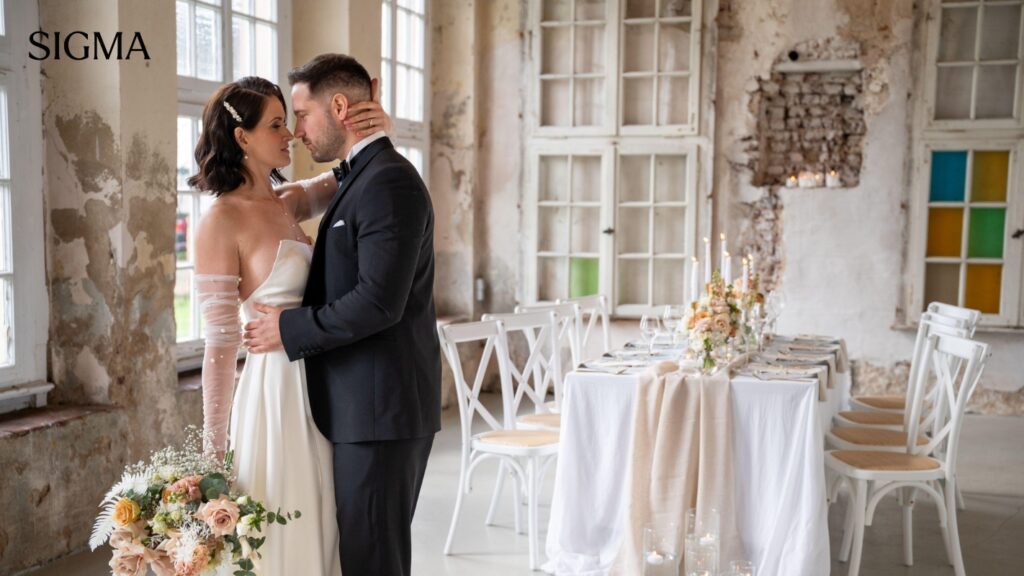
Wedding photography in Pakistan moves fast. One moment the bride sits in soft window light, the next the barat rushes in under bright stage lights, and by night the dance floor turns into a sea of motion. Your lens has to keep up with all of it. The right glass turns a chaotic day into a clean, emotional story that families treasure for years.
This guide breaks down the best Camera Lenses for capturing a wedding day in Pakistan, with a close look at the sigma lenses that handle local venues, lighting, and traditions with ease. Whether you cover a small nikah at home or a grand walima at a banquet hall, there is a Sigma lens built for the job.
What Is the Best Lens for Wedding Photography?
The best lens for wedding photography is a fast standard zoom like a 24-70mm F2.8, paired with a bright prime such as an 85mm F1.4 for portraits. The zoom covers wide group shots and quick candid moments, while the prime delivers soft backgrounds and sharp faces during couple portraits.
A single lens rarely does everything well. Most working photographers carry two or three lenses and switch based on the moment. Aperture matters more than almost anything here. An f2.8 or wider lets you shoot in dim halls without heavy flash, and it gives that creamy blur behind the couple that clients love.
For a Pakistani wedding, low light is the real test. Mehndi stages, dim marquees, and evening barat scenes all push your gear hard. A bright Sigma lens with strong optics keeps your images clean even when the venue lighting fights you.
Best Sigma Lenses for Wedding Photography
Sigma builds some of the sharpest, most affordable professional lens available today. The Art and Sports lines give you flagship image quality at a friendlier price than many first-party options. Here are four Sigma lenses that cover almost any wedding scene in Pakistan.
Sigma 24-70mm F2.8 DG DN II Art
This is the workhorse. The 24-70mm range handles wide venue shots, group photos, and tight candid frames without a lens change. The constant f2.8 aperture holds up in low light, and the updated optics stay sharp from corner to corner.
If you can own only one lens for a full wedding shoot, this is the smart pick. It stays on your camera for the entrance, the rituals, and most of the reception. Fast autofocus locks onto faces during the rush of a barat, so you rarely miss a key reaction.
Quick take
- Best for: Entrances, group shots, and fast-moving barat coverage
- Why it stands out: One lens covers wide to short telephoto, so you never miss a moment to a lens swap
- Value: A professional-grade tool with one of the best price-to-performance ratios in the current Pakistani market for full-frame mirrorless systems
- Keep in mind: It cannot match the deep background blur of an 85mm prime
Sigma 85mm F1.4 DG DN Art
The 85mm is the portrait king. At f1.4 it melts the background into smooth bokeh and isolates the couple beautifully. This is the lens for an intimate couple photoshoot, soft bridal close-ups, and emotional family portraits.
It is lighter than older 85mm Art models, so long days feel less tiring. The shallow depth of field also hides busy or messy backgrounds, which is a lifesaver at crowded venues. Sharp eyes, dreamy color, and gentle separation make this lens a favorite of portrait photographers across Pakistan.
Quick take
- Best for: Couple portraits, bridal close-ups, and emotional family moments
- Why it stands out: Its f1.4 delivers the softest background blur and beautiful subject separation
- Value: Flagship portrait quality at a friendlier price than most first-party 85mm primes
- Keep in mind: The tight angle means you need room to step back at busy venues
Sigma 70-200mm F2.8 DG DN OS Sports
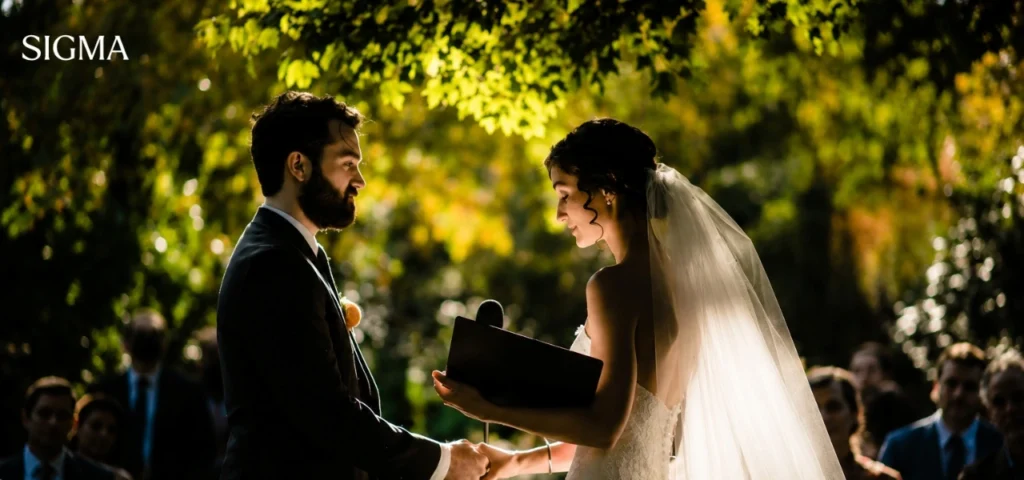
When you cannot get close, this telephoto zoom brings the action to you. The 70-200mm is perfect for capturing the stage from a distance, candid tears during the rukhsati, and tight reaction shots without disturbing the moment.
Built-in optical stabilization helps in low light, and the f2.8 aperture keeps subjects bright and lifted away from the crowd. This lens shines during a busy couple shoot walima, where you stand back and frame the couple cleanly above the guests.
Quick take
- Best for: Stage coverage, rukhsati reactions, and candid shots from a distance
- Why it stands out: Long reach plus optical stabilization keeps faraway moments sharp and steady
- Value: Pro-level reach and stabilization for noticeably less than comparable rival telephotos
- Keep in mind: Its internal design offers excellent balance, but the professional-grade weight makes a monopod/tripod ideal for long days.
Sigma 35mm F1.4 DG DN Art
The 35mm tells a story. Its wider view captures the couple along with the setting, the decor, and the energy of the room. This is a go-to for environmental portraits and lively couples shoot barat scenes where context adds emotion.
At f1.4 it pulls in plenty of light, making it a strong choice for dim mehndi nights and indoor functions. Many photographers call a fast 35mm the best camera lens for storytelling, since it balances wide coverage with shallow depth.
Quick take
- Best for: Storytelling wides, mehndi nights, and lively barat scenes
- Why it stands out: A wide view with f1.4 light-gathering captures the couple and the full setting
- Value: Art-series sharpness and low-light power without a premium price tag
- Keep in mind: The wide angle is less flattering for tight face close-ups
Best Lens for Every Stage of a Wedding Day
A Pakistani wedding has clear chapters, and each one rewards a different lens. Matching glass to the moment keeps your wedding photography smooth and your results consistent. From the quiet intimacy of morning prep to the energy of the reception floor, knowing which lens to reach for means you never miss what matters. Below is how each stage breaks down.
Bridal Preparation and Detail Shots
Morning prep is quiet and full of small details. The 85mm and the 24-70mm both work well here. Use the 85mm for soft close-ups of jewelry, hands, and the bride’s expression. The 24-70mm captures the wider room as she gets ready. Soft window light plus a wide aperture gives a clean, magazine-style bridal shoot.
Ceremony and Stage Coverage
The stage is bright but distant. The 70-200mm lets you frame the couple from your spot without blocking guests. For wider ceremony shots and the seating around the stage, switch to the 24-70mm. This combo keeps both the intimate looks and the full scene covered.
Couple Portraits
This is the heart of the day. The 85mm F1.4 is the natural choice for portraits, giving sharp eyes and dreamy backgrounds. For creative couple shoot poses with more surroundings in the frame, the 35mm adds depth and a sense of place. Move between the two lenses and you get real variety in every set.
Reception and Candid Moments
The reception runs fast and dark. A 24-70mm at f2.8 keeps you flexible as the room moves, and the 35mm grabs lively candid frames on the dance floor. Raise your ISO, lean on the wide aperture, and you will freeze laughter and movement without harsh flash.
24-70mm vs 85mm for Wedding Photography
The 24-70mm and the 85mm solve different problems. The 24-70mm is your all-rounder. It covers wide to short telephoto, so you adapt quickly as scenes change. The 85mm is a specialist. It delivers the cleanest portraits and the softest background blur, though it asks you to move your feet to frame the shot.
For a full day, the 24-70mm earns its place as the lens you trust most. The 85mm joins it for portrait sessions and emotional close-ups. Many photographers carry both and switch in seconds. If your budget allows only one for now, start with the zoom and add the 85mm later.
Choosing Your Core Lens: 24-70mm vs. 85mm
| Feature | 24-70mm F2.8 DG DN II Art (The Versatile Pro) | 85mm F1.4 DG DN Art (The Portrait Specialist) |
| Best For | All-day coverage, group photos, candid moments, and changing scenes | Dreamy portraits, close-ups, and artistic background blur |
| Flexibility | High – zoom in and out to quickly adapt to different compositions | Fixed focal length – requires moving to adjust framing |
| Low-Light Performance | Excellent for most wedding venues and mixed lighting conditions | Superior light-gathering ability for very dim environments |
| Background Blur (Bokeh) | Strong at f/2.8, suitable for professional portraits | Exceptional at f/1.4, creating a creamy and cinematic look |
| Ideal Wedding Moments | Barat entrances, group shots, stage coverage, and reception candids | Bridal portraits, couple sessions, emotional close-ups, and detail shots |
| Best Strategy | Your essential workhorse lens for complete wedding coverage | Your secret weapon for creating premium, high-impact portraits |
Prime vs Zoom Lenses for Wedding Photography
Prime lenses have one fixed focal length, while zoom lenses cover a range. Both earn a place in wedding photography, and the smart move is to combine them rather than pick a side.
Primes like the 85mm F1.4 and the 35mm F1.4 give wider apertures, extra sharpness, and stronger low-light power. Zooms like the 24-70mm and the 70-200mm give speed and flexibility, which matters when the day moves fast. A common pro kit pairs one bright prime with one fast zoom. That setup handles almost every scene without slowing you down.
Choosing the Right Lens for Low-Light Wedding Venues
Low light defines most Pakistani functions, from an evening barat to an indoor walima hall. A wide aperture is the answer. Lenses at f1.4 or f2.8 gather far more light, which lets you hold higher shutter speeds and keep motion sharp. Strong wedding photography in these rooms comes down to bright glass and steady technique.
Optical stabilization, built into the 70-200mm Sports, adds another safety net for handheld shots. Pair a stabilized zoom with a fast prime, raise your ISO with confidence, and you keep clean images even when the lighting is poor. Modern Sigma optics handle high ISO files well, so noise stays manageable.
Can One Lens Cover an Entire Wedding?
One lens can cover an entire wedding, and the 24-70mm F2.8 comes closest to doing it all. It shoots wide rooms, group photos, portraits, and candids from a single spot. As a backup body or a second-shooter setup, it is the safest single choice.
The honest answer is that one lens still limits you. You lose the deep background blur of an 85mm and the long reach of a 70-200mm. For relaxed events or tight budgets, one quality zoom works fine. For full professional coverage, two lenses give far better range and creative freedom.
Best Sigma Lens for Beginner Wedding Photographers
New photographers should start with the Sigma 24-70mm F2.8 DG DN II Art. It teaches you framing across many situations, performs well in low light, and removes the stress of constant lens changes. One reliable zoom builds confidence faster than a bag full of glass.
As skills grow, the Sigma 85mm F1.4 is the natural next step. It opens the door to professional portrait work and that polished, magazine-ready look clients ask for. This two-lens kit carries a beginner through their first paid seasons without a major upgrade.
Wedding Photography and Videography: One Lens Setup
Many clients now want both photos and video from one team. The Sigma 24-70mm F2.8 DG DN II Art is an ideal hybrid lens. Smooth autofocus, quiet operation, and a flexible range make it strong for handheld video and stills in the same setup. Filmmakers also reach for the 35mm F1.4 to capture cinematic wide shots.
For a small team running both at once, a single 24-70mm on one body and an 85mm on another keeps photo and video moving together. This lean setup is popular with couples who book combined packages and want a consistent look across their photos and film.
Where to Buy Original Sigma Wedding Lenses in Pakistan
Buy original Sigma lenses from an authorized seller to protect your investment. For guaranteed genuine products with full brand warranty and after-sales support, stick to these trusted sources:
- Sigma Pakistan Official Website — order directly online with doorstep delivery available
- Hope Enterprises — the authorized distributor in Pakistan, with a shop and service center on Japan Street, Nisbat Road, Camera Market, Lahore
- Sigma Pakistan Authorized Dealer Network — explore our certified dealer network to find the nearest authorized dealer in your area
All these channels provide genuine products, brand warranty, after-sales support, and repair claims if your product qualifies after purchase through certified channels.
Authentic glass holds its value, performs to spec, and gives you reliable service through long shooting seasons. Grey-market lenses may look cheaper at first, but they often skip warranty and after-sales support. For tools you depend on at every booking, genuine products and local backup are worth the small extra cost. Sigma Pakistan team can also guide you toward the right lens for your style and budget.
Final Thoughts
The right glass shapes the whole story of a wedding. For most photographers in Pakistan, the Sigma 24-70mm F2.8 and the 85mm F1.4 form a powerful, affordable core. Add the 70-200mm and the 35mm as your work grows, and you cover every scene from quiet bridal prep to a packed dance floor.
Strong wedding photography rewards preparation and the right tools. Choose lenses that match the moments you shoot most, invest in genuine Sigma glass, and let the gear fade into the background so the real story shines through.
Frequently Asked Questions
Which is the No. 1 Lens Brand?
Sigma is widely recognized as the No. 1 third-party lens brand globally. Known for exceptional sharpness, fast apertures, and outstanding build quality, Sigma Art lenses compete directly with Canon and Nikon. Professional photographers trust Sigma for weddings, portraits, and commercial shoots worldwide.
Is 24-70mm Enough for Wedding Photography?
Yes, the 24-70mm f/2.8 is the most versatile wedding lens available. It covers wide ceremony shots, group portraits, and close-up moments in one zoom range. Many professional wedding photographers use it as their primary lens throughout the entire event.
What Is the Best Focal Length for Cinematic Wedding Portraits?
The 85mm focal length is the gold standard for cinematic wedding portraits. It delivers beautiful background compression, flattering facial proportions, and creamy bokeh. The Sigma 85mm f/1.4 DG DN Art is especially popular among wedding photographers for its stunning cinematic rendering.
Do Professional Wedding Photographers Use Prime or Zoom Lenses?
Most professionals use both. Zoom lenses like 24-70mm offer flexibility during fast-moving moments. Prime lenses like 35mm or 85mm deliver superior sharpness and bokeh for portraits. Many photographers carry one zoom and two primes for complete coverage.
Which Lens Is Used in a DSLR?
DSLRs use interchangeable lenses with mount-specific compatibility. Canon DSLRs use EF mount lenses, Nikon uses F mount. Sigma makes Art, Contemporary, and Sports series lenses compatible with both systems, offering professional-grade optical performance at competitive prices.
