
Northern Pakistan is one of the most visually stunning regions on Earth. From towering 8,000-meter peaks to turquoise glacial lakes, every frame feels surreal. Yet capturing these scenes demands the right skills, settings, and glass.
This guide covers everything you need for landscape photography in the northern areas. You will learn about the best locations, ideal camera settings, and which Sigma lenses deliver the sharpest results. Whether you are planning your first mountain trip or your tenth, this guide has something useful for you.
So let us get into it.
Best Locations for Landscape Photography in Northern Pakistan
Northern Pakistan offers dozens of jaw-dropping locations. However, a few spots consistently deliver incredible results for photographers.
Hunza Valley and Attabad Lake
Hunza Valley is probably the most photographed region in northern Pakistan. And for good reason. The valley offers layered mountain views, ancient forts, and terraced farmland. Eagle’s Nest viewpoint gives you a clear panoramic frame of Rakaposhi, Diran, and Lady Finger Peak.
Attabad Lake, formed after a landslide in 2010, is another visual gem. The deep turquoise water contrasts beautifully with the barren brown mountains around it. For Hunza Valley photography, early morning light works best here. Golden hour adds warmth to the rocky terrain, while blue hour creates a moody, cinematic feel.
Pro tip: Head to Passu Cones viewpoint around sunrise. You will get mirror reflections in the water if the wind is calm.
Skardu and Deosai Plains
Skardu sits at the gateway to some of the world’s highest peaks. Shangrila Resort, Upper Kachura Lake, and the old Skardu Fort are all within easy reach. Each offers unique compositions with water, rock, and sky.
Deosai National Park, often called the “Land of Giants,” is a vast alpine plateau above 4,000 meters. In summer, wildflowers blanket the plains in purple and yellow. In autumn, the grass turns golden under clear blue skies. Skardu photography is rewarding year-round, but late June to September gives the most color and accessibility.
Fairy Meadows and Nanga Parbat
Fairy Meadows offers one of the most dramatic mountain views on the planet. You stand in a green meadow with Nanga Parbat, the ninth-highest peak, towering right in front of you. The scale is hard to describe until you see it yourself.
Getting there involves a jeep ride followed by a 5 km trek. That effort is worth every step. At nature photography spots like this, conditions change fast. Clouds roll in quickly, so always be ready to shoot.
For the best compositions, include foreground elements like wildflowers, wooden fences, or shepherd huts. These add depth and context to the massive mountain behind them.
Camera Settings for Mountain Landscape Photography
Great locations mean nothing without the right settings. Here are some practical recommendations based on real shooting conditions in the northern areas.
Sunrise and Sunset Settings
During golden hour, light changes rapidly. Start with ISO 100 to keep noise low. Use an aperture between f/8 and f/11 for optimal sharpness across the frame. Your shutter speed will vary depending on the light, so keep your camera in aperture priority mode.
Also, consider using exposure bracketing. Mountain scenes often have a huge dynamic range. The sky might be bright while the valleys are still in shadow. Bracketing three shots at different exposures lets you blend them later for a balanced result.
A graduated ND filter also helps in these conditions. It darkens the sky without affecting the foreground.
Sharp Landscape Photos with Deep Focus
Sharpness matters in landscape photography. Nobody wants soft edges or blurry corners. Here is how to get tack-sharp results every time.
First, use f/8 to f/11. This is the sweet spot for most lenses. Going beyond f/16 introduces diffraction, which actually reduces sharpness.
Second, focus one-third into the scene. This technique, based on hyperfocal distance, maximizes depth of field from foreground to background. Many photographers also use manual focus and magnify the live view screen to fine-tune it.
Third, always use a tripod. Even with fast shutter speeds, a tripod eliminates micro-vibrations. In windy mountain conditions, hang your camera bag from the center column for added stability.
Low Light Settings for Astro Landscapes
Northern Pakistan has minimal light pollution, especially in places like Deosai and Fairy Meadows. That makes it ideal for astro landscape shots.
For Milky Way photography, use a wide aperture like f/1.4 or f/2.8. Set ISO between 3200 and 6400. Follow the 500 rule for shutter speed: divide 500 by your focal length. For a 14mm lens, that gives you roughly 35 seconds before star trails appear.
Shoot in RAW format. The extra data gives you much more flexibility during post-processing. Also, bring extra batteries. Cold mountain nights drain power fast.
Best Sigma Lenses for Landscape Photography
Sigma’s Art and Contemporary line lenses are built for serious image quality. Here are three standout options for mountain and outdoor work.
Ultra Wide Shots with Sigma 14-24mm
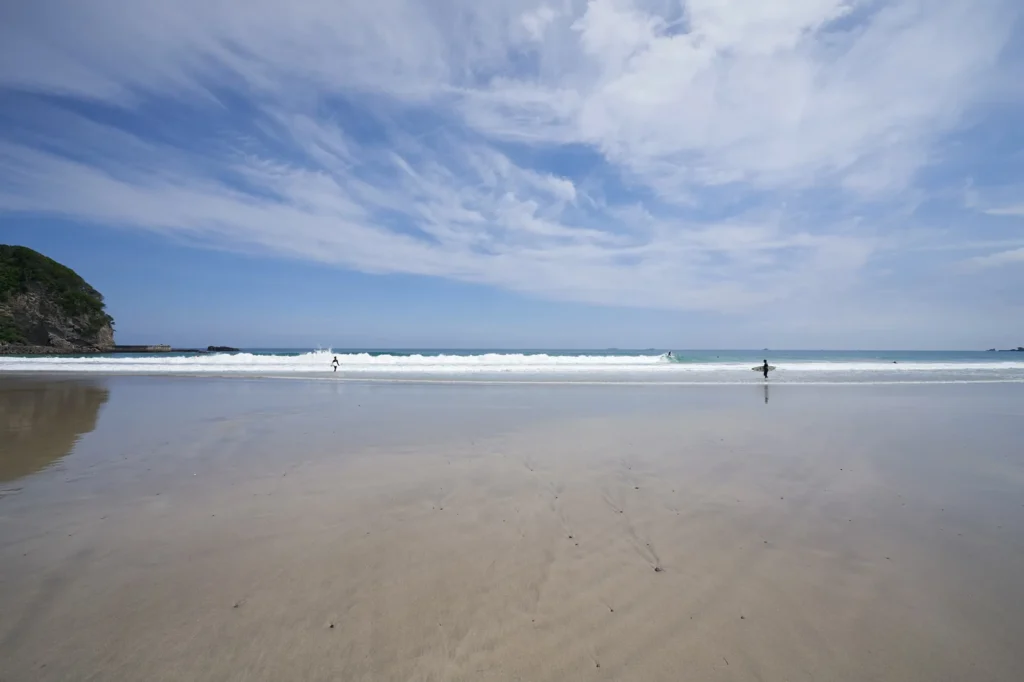
The Sigma 14-24mm f/2.8 DG DN Art is a powerhouse for wide scenes. At 14mm, you capture an expansive field of view that pulls the viewer right into the frame. This is the go-to wide angle lens for landscape photography in dramatic environments.
Sharpness is excellent from corner to corner, even wide open. Distortion control is impressive for such a wide focal range. For Milky Way work, the f/2.8 aperture gathers plenty of light.
One consideration: it does not accept front-mounted filters. You will need a rear gel filter holder or a dedicated filter system. Still, the optical quality makes it worth the trade-off.
Travel Photography with Sigma 16-28mm
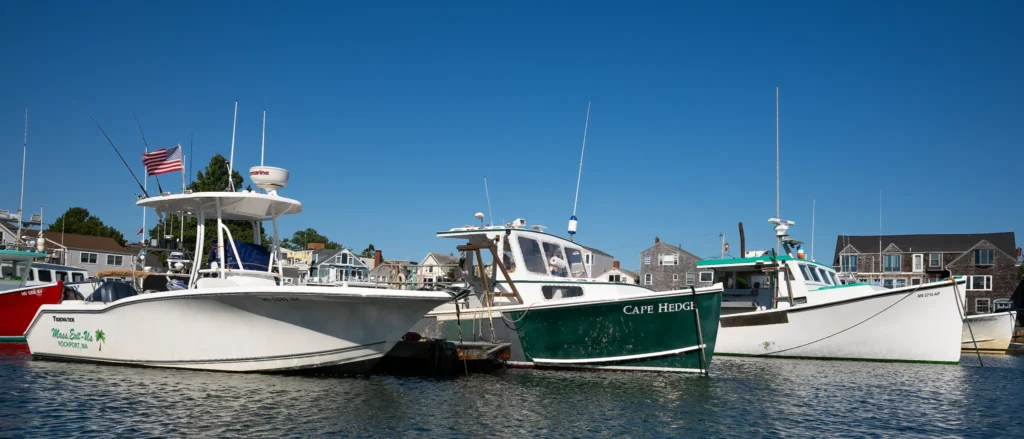
The Sigma 16-28mm f/2.8 DG DN Contemporary is lighter and more compact. It is a great option for photographers who value portability without sacrificing optical performance.
At just 450 grams, this lens fits easily into a small camera bag. The 16mm end is wide enough for vast valley shots. The 28mm end handles tighter compositions, like a single peak framed against the sky.
For travel photography in remote mountain areas, weight matters. Every gram counts when you are trekking for hours. This lens delivers sharp results while keeping your pack light.
Mountain Compression with Sigma 100-400mm
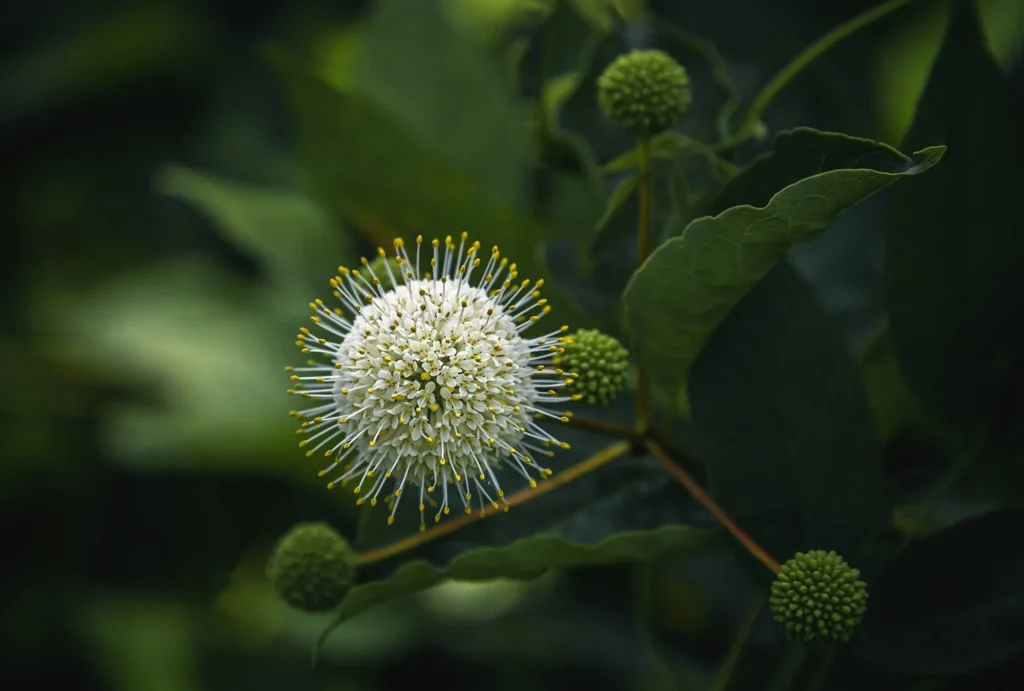
The Sigma 100-400mm f/5-6.3 DG DN OS Contemporary does something wide lenses simply cannot. It compresses layers of mountains into a single powerful frame.
Telephoto compression stacks distant ridgelines on top of each other. The result is a dense, layered composition that feels almost abstract. This effect works especially well in Hunza and Skardu, where multiple mountain ranges are visible at once.
The built-in optical stabilization helps when shooting handheld. However, for the sharpest results at 400mm, a tripod is still recommended. Pair this lens with a 1.4x teleconverter for even more reach, though you will lose about one stop of light.
Wide Angle vs Telephoto for Mountain Photography
Choosing between wide and telephoto depends entirely on the story you want to tell.
Wide angle lenses, like the Sigma 14-24mm, capture the full scale of a scene. They show the relationship between foreground, midground, and sky. These lenses work best when you have a strong foreground element to anchor the composition.
Telephoto lenses, on the other hand, isolate specific details. A single snow-capped peak. A distant village clinging to a cliff. Light hitting one ridge while everything else remains in shadow.
Most experienced mountain photographers carry both. A wide zoom handles the grand vistas. A telephoto picks out the hidden details. Together, they give you complete creative control. If you can only carry one lens, the Sigma 16-28mm is a solid middle ground. It covers the most useful focal range for general landscape photography in the mountains. Understanding different types of camera lenses and their uses helps you make the right call before packing.
Common Landscape Photography Mistakes in Northern Pakistan
Even skilled photographers make avoidable errors in the northern areas. Knowing these pitfalls beforehand saves you time, frustration, and missed shots during your trip.
- Shooting only at midday. Harsh overhead sunlight flattens mountain textures and creates strong shadows. The best light happens in the first and last two hours of daylight.
- Ignoring the foreground. A sweeping mountain view needs something in the front to give it scale. Rocks, streams, wildflowers, or a path leading into the frame all work well.
- Overpacking gear. Northern Pakistan involves a lot of walking, jeep travel, and uneven terrain. Bring only what you will actually use.
- Not checking the weather. Mountain weather shifts without warning. Always have rain covers for your gear and a backup plan for sheltered shooting.
- Forgetting spare batteries and memory cards. Shops are scarce beyond main towns like Gilgit and Skardu. Pack extras before you leave.
Travel Photography Gear for Northern Pakistan
Beyond lenses, the right accessories make a real difference on mountain photography trips. Here are the essentials worth packing for northern Pakistan.
- A sturdy travel tripod. Carbon fiber models offer the best balance of weight and stability. Look for one that folds under 50 cm for easy packing.
- A quality camera bag with rain protection. It keeps your gear safe on bumpy jeep rides and dusty trails. Look for padded dividers and waterproof covers designed for northern Pakistan travel photography.
- Lens cleaning kits. Dust is everywhere on mountain roads. A microfiber cloth and a blower keep your front elements clean between shots.
- A power bank (20,000 mAh or higher). In remote areas, there is no electricity for days. A reliable power bank keeps your phone and GPS charged throughout.
- A weather-sealed camera body. Northern Pakistan brings unpredictable rain, dust storms, and cold temperatures. A weather-sealed body protects your gear from moisture and debris, giving you the confidence to shoot in challenging mountain conditions without worrying about damage.
- A filter kit suited to your lens. Graduated ND filters help balance bright skies against shadowed valleys during golden hour. For lenses like the Sigma 14-24mm, opt for a rear gel filter kit or a large front filter system. For other lenses with standard filter threads, a circular polarizer and a set of ND filters are essential tools for landscape work.
Which Sigma Lens Should You Carry for Travel Photography
This depends on your shooting style and priorities. Here is a quick comparison to help you decide.
| Sigma Lens | Best For | Weight | Ideal Scene |
| Sigma 14-24mm F2.8 DG DN Art | Ultra-wide vistas and astro | 795 g | Fairy Meadows, Milky Way |
| Sigma 16-28mm F2.8 DG DN Contemporary | Lightweight travel | 450 g | Hunza Valley, trekking |
| Sigma 100-400mm F5-6.3 DG DN OS Contemporary | Telephoto compression | 1,140 g | Skardu peaks, wildlife |
If you love wide, dramatic vistas, go with the Sigma 14-24mm f/2.8 Art. It is the best lens for landscape photography in extreme environments. The image quality is outstanding.
If weight and versatility are your top priorities, the Sigma 16-28mm f/2.8 Contemporary is the smarter pick. It covers a practical range and fits into minimal setups.
If you want to capture distant peaks, wildlife, or compressed mountain layers, the Sigma 100-400mm gives you serious reach.
For the most complete setup, carry the 16-28mm and the 100-400mm together. That combination covers everything from ultra-wide to super-telephoto. And both lenses are part of the Sigma lens for landscape photography lineup available through Sigma Pakistan, backed by local warranty and support from Hope Enterprises.
You can explore the full range of Sigma lenses at Sigma Pakistan. Hope Enterprises, as the official distributor, ensures genuine products with after-sales support across Pakistan.
Final Thoughts
Northern Pakistan photography is a deeply rewarding experience. The landscapes here rival anything you will find in Switzerland, Canada, or Scotland. With the right preparation, camera settings, and lenses, you can capture images that truly do justice to these mountains.
Start with solid landscape photography tips like shooting during golden hour, using a tripod, and including strong foreground elements. Then pair those skills with quality glass from Sigma to get the sharpest, most vivid results possible.
The mountains are waiting. Grab your gear, plan your route, and go make something beautiful.
Frequently Asked Questions
Which cities are included in Northern Punjab?
Northern Punjab includes Rawalpindi, Jhelum, Chakwal, Attock, and Mianwali. Rawalpindi serves as the main gateway city connecting Punjab to the northern areas. These cities sit at the edge of the Potohar Region and offer access routes toward Khyber Pakhtunkhwa and Gilgit-Baltistan.
Which is the most beautiful region in Pakistan?
Gilgit-Baltistan is widely considered the most beautiful region in Pakistan. It is home to K2, Nanga Parbat, Hunza Valley, Skardu, and Fairy Meadows. The region offers towering peaks, turquoise lakes, and ancient forts that make it a dream destination for travelers and photographers alike.
Which one is more beautiful, Skardu or Hunza?
Both are stunning but offer different experiences. Hunza is known for its lush green valleys, ancient forts, and panoramic mountain views. Skardu impresses with dramatic landscapes, vast deserts, and glacial lakes. For photography, Hunza suits wide valley shots while Skardu delivers raw, rugged mountain compositions.
Where are the best photography spots in Northern Pakistan?
The best photography spots in Northern Pakistan include Fairy Meadows, Attabad Lake, Eagle’s Nest in Hunza, Deosai Plains, and Upper Kachura Lake in Skardu. Each location offers unique lighting conditions, dramatic mountain backdrops, and stunning foreground elements perfect for landscape and travel photography.
